
In This Article
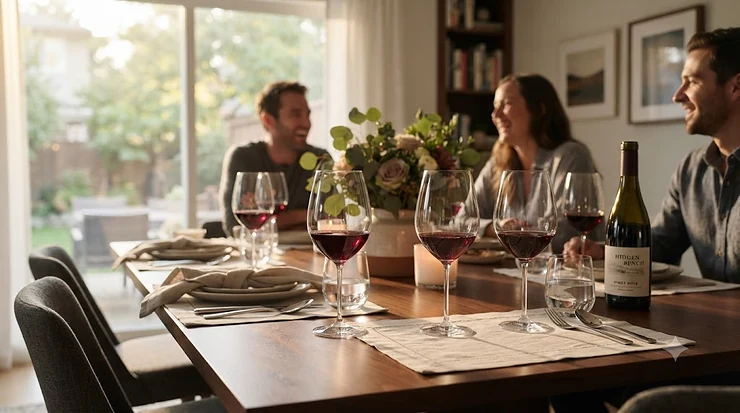
Here’s a confession every wine lover eventually makes: the glass matters more than you think it does. You can spend a small fortune on a bottle of Okanagan Cabernet Franc or a Niagara Merlot, pour it into a stubby juice glass, and watch half its personality vanish before it even reaches your nose. Long stem wine glasses for red wine aren’t just about looking fancy at a dinner party — the tall stem keeps your hand’s warmth away from the bowl, and the generously curved bowl gives tannic reds room to breathe and release their aroma.
This guide digs into seven real, currently available options — from entry-level sets that punch above their price to European crystal that’s built a reputation over decades. We’ll compare shapes, capacities, and durability, and we’ll be upfront about what we could and couldn’t verify from customer feedback along the way. If you’re shopping for a long stem wine glasses set for dinner party season, replacing a broken pair, or finally upgrading from the mismatched glasses in your cupboard, you’ll leave with a clear shortlist.
What is a long stem wine glass? It’s a stemware glass with a tall stem separating the bowl from the base, designed so your hand doesn’t warm the wine while you hold it. For red wine specifically, the bowl is typically wider and rounder than a white wine glass, giving the wine more surface area to aerate and develop its bouquet before it reaches your palate.
Whether you’re setting a table for six or just want a nicer glass for a Tuesday-night pour, the right stemmed wine glasses for red wine change the experience more than most people expect.
Quick Comparison Table
| Product | Material | Capacity | Best For |
|---|---|---|---|
| Riedel Vinum Bordeaux | 24% lead crystal | 21.5 oz | Serious tannic reds |
| Schott Zwiesel Vinos Bordeaux | Tritan crystal | 26 oz | Durability + elegance |
| Libbey Signature Kentfield Estate | ClearFire glass | 16 oz | Everyday all-purpose use |
| Spiegelau Style Red Wine | Lead-free crystal | 18.75 oz | Mid-range gifting |
| Gusto Nostro Crystal | Lead-free crystal | 22 oz | Modern dinner parties |
| AILTEC Stemmed Set of 6 | Glass | 19 oz | Budget large sets |
| Physkoa Long Stem | Lead-free crystal | 18 oz | Budget aeration/unique shape |
Looking at this lineup, you’ll notice a pattern: the higher the price bracket climbs, the thinner the glass walls get and the more the shape is engineered around a specific grape rather than “wine” in general. The Riedel Vinum Bordeaux and Schott Zwiesel Vinos Bordeaux sit at the top because both brands have spent decades studying how bowl shape affects tannin and aroma perception, while sets like the AILTEC Stemmed Set of 6 trade some of that precision engineering for sheer value and breakage-forgiving thickness. If you’re buying for a household with kids or frequent guests, that trade-off toward durability is often the smarter one.
💬 Just one click — help others make better buying decisions too!😊
Top 7 Long Stem Wine Glasses for Red Wine: Expert Analysis
Coverage below spans budget, mid-range, and premium options, plus a couple of lesser-known picks worth a look. Every product name stays bolded throughout so you can scan the article at a glance.
1. Riedel Vinum Bordeaux — the industry benchmark for tannic reds
The Riedel Vinum Bordeaux set has been the reference point other Bordeaux glasses get measured against since the Vinum line launched in 1986. Each glass stands 8-7/8 inches tall, holds roughly 21.5 ounces, and is made from 24% lead crystal — a composition that produces a noticeably thinner, more resonant rim than typical soda-lime glass. Riedel designed the oversized bowl specifically to soften the harsh edges of high-tannin reds like Cabernet Sauvignon, Merlot, and Bordeaux blends, concentrating the bouquet toward the rim rather than letting it dissipate. Based on the spec comparison with budget alternatives, the extra bowl volume here isn’t cosmetic — it’s doing real aromatic work. This is the pick for anyone who takes Cabernet Franc or a big Bordeaux blend seriously and wants a glass that won’t fight the wine’s structure.
Reviewers across major retailers consistently describe the bowl as noticeably improving how “open” a young, tannic red tastes compared to a standard glass, though a recurring caution is that the thin crystal demands careful hand-washing despite dishwasher-safe claims.
Pros:
- ✅ Purpose-built bowl softens harsh tannins in young reds
- ✅ Decades of brand reputation in wine-critic circles
- ✅ Thin rim delivers wine cleanly to the palate
Cons:
- ❌ Delicate crystal chips more easily than tempered glass
- ❌ Premium price for what is still a machine-made line
Expect this set to land in the C$60-C$100 range for a set of two to four, at the time of research — solid value if you’re prioritizing aroma over unbreakability.

2. Schott Zwiesel Vinos Bordeaux — durability that doesn’t compromise on grace
Made in Germany from Tritan crystal — a patented titanium-and-zirconium-oxide formula — the Schott Zwiesel Vinos Bordeaux glasses stand out because they’re genuinely shatter-resistant, not just “sturdier than average.” Each glass measures about 10.9 inches tall with a 26-ounce capacity, and the elongated stem is deliberately exaggerated for visual drama at a formal table. What most buyers overlook about this model is that Tritan crystal achieves brilliance and clarity similar to leaded crystal without the fragility, which matters enormously if you’re hosting a long stem wine glasses set for dinner party events where glasses inevitably get bumped. This is the set for hosts who want the look of fine crystal with restaurant-grade toughness.
Aggregated feedback on Schott Zwiesel’s Bordeaux and Cru Classic lines frequently praises how large the bowl feels for holding a generous pour, and multiple buyers note the glasses survive repeated dishwasher cycles without clouding — a common failure point for cheaper crystal.
Pros:
- ✅ Tritan crystal resists chipping and shattering
- ✅ Fully dishwasher-safe without clouding over time
- ✅ Elongated stem adds real visual elegance
Cons:
- ❌ Large 26 oz bowl needs generous cabinet clearance
- ❌ Costs more than comparable soda-lime glass sets
Pricing typically falls in the C$70-C$110 range for a set of four, positioning it as a premium-adjacent choice that’s built to actually survive a household.
3. Libbey Signature Kentfield Estate — the reliable everyday all-rounder
The Libbey Signature Kentfield Estate set is manufactured in the USA using Libbey’s ClearFire glass formula, which the company markets for added brilliance and strength over standard glass. At 9 inches tall and 3.4 inches wide, these all-purpose stems are shaped to handle both reds like Cabernet Sauvignon and Merlot and lighter whites, which makes them a practical choice if you don’t want a cupboard split between varietal-specific glassware. Here’s what to weigh: this isn’t a glass engineered around one grape’s chemistry the way the Riedel is — it’s a generalist, and that’s exactly the point for households that pour more casually than ceremonially.
Buyers commonly mention the laser-cut rim feeling smoother against the lips than expected at this price point, alongside comments that the thin walls, while elegant, require a bit more care than thick tumbler-style glasses.
Pros:
- ✅ Made in the USA with consistent quality control
- ✅ Versatile shape works for reds and whites alike
- ✅ Laser-cut rim feels notably smooth for the price
Cons:
- ❌ Not varietal-specific, so aroma gains are modest
- ❌ Thinner walls than Libbey’s budget tumbler lines
At around C$30-C$45 for a set of four, this is the set most Canadian households will find easiest to justify buying in bulk for entertaining.
4. Spiegelau Style Red Wine — lead-free crystal with quiet sophistication
Spiegelau, a sister brand to Riedel under the same parent company, built its Style collection around lead-free crystal that still achieves impressive clarity and a light, thin-walled feel. Each glass in the set holds close to 18.75 ounces, with a tapered bowl designed to funnel aroma toward the nose without the exaggerated size of a full Bordeaux glass. Based on the spec comparison, this makes the Style line a sensible middle ground — you get crystal-like clarity and a proper aeration surface without committing to Riedel’s more specialized (and pricier) varietal system. What most buyers overlook is that lead-free crystal has come a long way in the last decade; it’s no longer the compromise choice it once was.
Reviewers frequently highlight the lightweight feel in-hand as a standout, describing it as noticeably less “clunky” than typical big-box store stemware, with occasional notes that the bowl runs slightly smaller than expected for those used to oversized Bordeaux glasses.
Pros:
- ✅ Lead-free crystal with genuine clarity and shine
- ✅ Lightweight, comfortable in-hand feel
- ✅ Backed by Spiegelau’s established glassmaking pedigree
Cons:
- ❌ Bowl runs smaller than dedicated Bordeaux glasses
- ❌ Less varietal specificity than the Riedel Vinum line
Set of four pricing generally sits in the C$50-C$75 range, a fair middle-tier pick for gifting or a first crystal upgrade.
5. Gusto Nostro Crystal Wine Glasses — modern proportions for contemporary tables
The Gusto Nostro Crystal set leans into a taller, more dramatic modern silhouette, holding 22 ounces per glass — generous enough for a full-bodied Malbec or Shiraz pour with room left to swirl safely. Marketed as suitable for both white and red wine, the bowl shape is rounder than Libbey’s everyday line but not as elongated as the German Bordeaux-specific glasses. On paper, this means it’s a solid “does everything reasonably well” choice rather than a specialist tool, which suits buyers who want one attractive glass style for a whole dinner party rather than juggling varietal-specific stems.
Customer commentary on similarly styled crystal sets in this segment tends to focus on how photogenic the tall, fancy silhouette looks on a set table, with some noting the larger capacity means a little more careful handling when the dishwasher rack is crowded.
Pros:
- ✅ Large 22 oz capacity suits full-bodied reds
- ✅ Elegant tall silhouette photographs well for entertaining
- ✅ Works reasonably for both red and white wine
Cons:
- ❌ Not tuned to any single grape variety
- ❌ Tall stems need careful dishwasher loading
Expect a set of four in the C$40-C$60 range, making this a strong pick if aesthetics for a dinner party matter as much as function.
6. AILTEC Stemmed Wine Glasses (Set of 6) — best value for larger gatherings
If you’re hosting regularly and tired of running short on glassware, the AILTEC set of six 19-ounce stemmed glasses solves that math problem directly. AILTEC uses a laser cold-cutting technique on the rim, a manufacturing detail more commonly seen on pricier stemware, which genuinely thins the edge compared to typical budget glass. Reviewers consistently report that the glasses feel more substantial in-hand than their price suggests, without tipping into “heavy and clunky” territory — a balance that’s hard to hit at this price tier. What most buyers overlook here is that a set of six, rather than the usual four, means fewer awkward moments when your dinner party guest count doesn’t divide evenly by four.
Feedback commonly describes these as equally comfortable for casual weeknight pours and slightly dressier gatherings, which lines up with AILTEC’s positioning as a do-it-all budget set rather than a specialty glass.
Pros:
- ✅ Set of six covers larger dinner parties without gaps
- ✅ Laser-cut rim outperforms typical budget glass
- ✅ Feels sturdier in-hand than the price implies
Cons:
- ❌ No varietal-specific aroma engineering
- ❌ Clear glass rather than true crystal composition
Pricing typically runs C$35-C$55 for the full set of six, which works out to some of the lowest per-glass cost on this list.
7. Physkoa Long Stem Wine Glasses — a budget pick with a genuinely unusual shape
The Physkoa long stem set stands apart visually thanks to its square-edged silhouette and supersized belly, holding about 18 ounces with a notably long, extra-tall stem and a 1.2 mm smooth, tapered rim. The oversized “belly” isn’t just an aesthetic flourish — a larger bowl surface area does genuinely give red wine more room to aerate, echoing (on a budget) the same principle that drives the price of Riedel’s engineered Bordeaux bowls. Hand-blown in the traditional Italian style according to the manufacturer, each glass reportedly rings with a clear resonant tone when tapped, a detail wine enthusiasts sometimes use informally to judge glass quality.
Reviewers commonly describe the weight as noticeably heftier than ultra-light hand-blown glass, trading a bit of delicacy for a sturdier, more stable feel in the hand — useful context if you’ve been burned by flimsier stemware before.
Pros:
- ✅ Unique square silhouette stands out at the table
- ✅ Oversized bowl genuinely aids aeration
- ✅ Sturdier feel than typical ultra-light crystal
Cons:
- ❌ Square shape is a stylistic departure some dislike
- ❌ Heavier than delicate hand-blown alternatives
Set of four pricing generally sits under C$50, making it one of the more distinctive budget options if you want conversation-starter glassware rather than a classic silhouette.
Practical Usage Guide: Getting the Most From Your New Glasses
Unboxing a fresh set of long stem wine glasses for red wine feels great, but the first 30 days determine whether they last. Start by hand-washing before first use, even on dishwasher-safe sets — factory residue and packaging dust can subtly affect a wine’s first pour. When loading a dishwasher afterward, always place stems in dedicated stemware clips rather than wedging them between other dishes; this single habit prevents most of the chipping that shortens a glass set’s life.
For everyday storage, store glasses upright rather than upside-down on open shelving — resting on the rim, even briefly, is where hairline chips most often start. If you’re pouring a big, tannic red like Cabernet Sauvignon, fill the bowl only to its widest point, roughly a third full, leaving enough headspace to swirl without spilling. A common early mistake is over-pouring because the bowl “looks” like it can hold more; resist that urge, especially with the larger 22-26 oz bowls on this list. Finally, avoid sudden temperature swings — pulling a glass from a hot dishwasher straight into cold rinse water is a classic way to introduce stress fractures into thin crystal.
Real-World Scenarios: Matching Glasses to Your Dinner Party
Picture three different Saturday nights. First, a couple hosting a six-person dinner party with a Niagara Cabernet Franc as the centerpiece wine — for this crowd, the AILTEC Stemmed Wine Glasses (Set of 6) solves the headcount problem cleanly, and its sturdier build tolerates a lively table where glasses get bumped mid-conversation. Second, a smaller anniversary dinner for two, where the Riedel Vinum Bordeaux earns its price by actually changing how a special-occasion Bordeaux blend tastes — worth it when the wine itself is the star of the evening, not just the backdrop.
Third, imagine a young professional building their first “grown-up” glassware collection on a modest budget, mixing casual Tuesday pours with the occasional dinner party. The Libbey Signature Kentfield Estate set fits that in-between life stage well: versatile enough for reds and whites, durable enough for regular use, and priced so that breaking one glass doesn’t sting. If budget is the primary constraint and the goal is simply “nicer glasses than what’s currently in the cupboard,” the Physkoa Long Stem or Gusto Nostro Crystal sets both deliver a noticeable upgrade in look and aeration without matching the AILTEC set’s rock-bottom cost or the Riedel’s premium.
Problem → Solution: Fixing Common Wine Glass Frustrations
Problem: Wine tastes “flat” or muted straight from the bottle. Solution: pour into a wider-bowled glass like the Gusto Nostro Crystal or Riedel Vinum Bordeaux and let it sit for five to ten minutes before your first sip — the extra surface area does real aeration work that a narrow glass can’t replicate.
Problem: Glasses keep chipping in the dishwasher. Solution: switch to a genuinely shatter-resistant option like the Schott Zwiesel Vinos Bordeaux, and always use stemware clips rather than the standard rack slots.
Problem: Running out of clean glasses mid-party. Solution: a larger set like the AILTEC Stemmed Wine Glasses (Set of 6) removes the math problem entirely, and its budget-friendly per-glass cost makes buying a backup set painless.
Problem: Cloudy residue building up over time. Solution: this is usually hard water mineral buildup, not a flaw in the glass itself — a short soak in a 50/50 vinegar-water solution before a final rinse restores clarity on most crystal, including the Libbey Signature Kentfield Estate and Spiegelau Style Red Wine lines.
Problem: Not sure which glass suits a specific red. Solution: when in doubt, a true Bordeaux-shaped glass like the Physkoa Long Stem handles the widest range of medium- to full-bodied reds without needing a separate glass for every varietal.
How to Choose Long Stem Wine Glasses for Red Wine
- Start with bowl size, not brand. Full-bodied reds like Cabernet Sauvignon benefit from a wider bowl (20+ oz) that gives tannins room to soften.
- Decide between crystal and reinforced glass. True crystal, like the Riedel Vinum Bordeaux, offers thinner walls and better clarity; reinforced options like Schott Zwiesel trade a touch of delicacy for real durability.
- Count your table, not just your household. Buying in sets of six, like the AILTEC set, avoids awkward gaps when guest counts don’t divide neatly by four.
- Check the stem length against your storage space. Extra-tall stems look dramatic but need taller cabinet clearance — measure before you buy.
- Match the glass to how often you host. Occasional formal dinners justify splurging on the Riedel Vinum Bordeaux; frequent casual entertaining favours tougher, less precious sets.
- Don’t ignore rim thickness. A thinner, laser-cut rim genuinely changes how wine feels on the lips — it’s not just marketing language.
- Budget for breakage. Even careful owners lose a glass occasionally, so factor replacement cost into which set you choose.
The Bordeaux Glass Shape Explained
The Bordeaux glass shape is arguably the most recognizable silhouette in stemware: a tall, generously proportioned bowl that tapers inward toward a moderately narrow rim, sitting atop a long stem. This shape exists for a specific reason — Bordeaux blends and other high-tannin reds like Cabernet Sauvignon and Merlot need more surface area exposed to air than lighter wines, and the tapered rim then funnels that aroma back toward the nose rather than letting it scatter. Sensory researchers at Brock University’s Cool Climate Oenology and Viticulture Institute, one of Canada’s leading wine research centres, study exactly this kind of glass-and-perception interaction as part of their broader work on how Canadians experience wine (Brock University CCOVI).
Both the Riedel Vinum Bordeaux and Schott Zwiesel Vinos Bordeaux on this list are true examples of the classic Bordeaux silhouette, while glasses like the Physkoa Long Stem, with its squared bowl, borrow the same aeration principle but express it through a more contemporary shape. The takeaway: if a listing calls something a “Bordeaux glass,” look for that wide bowl and moderate rim taper — the label alone doesn’t guarantee the shape actually performs that way.
Stemmed Wine Glasses for Red Wine vs Stemless Glasses
Stemless wine glasses have gained real popularity for their casual look and dishwasher-friendly stability, but stemmed wine glasses for red wine still win out for one clear physiological reason: your palm’s body heat transfers directly into a stemless bowl, warming the wine faster than most people realize. Red wine is typically best enjoyed around 16-18°C, and a stemless glass held for the length of a dinner can push a glass several degrees above that ideal range by the final sip.
| Factor | Stemmed | Stemless |
|---|---|---|
| Temperature control | Keeps hand heat away from wine | Warms wine faster in-hand |
| Stability | Can tip more easily on tables | More stable, harder to knock over |
| Formal presentation | Traditional, dressier look | Casual, modern look |
| Storage | Needs taller cabinet clearance | Stacks and stores more compactly |
Looking at the comparison above, stemmed options like the Libbey Signature Kentfield Estate or Spiegelau Style Red Wine make more sense for a proper dinner party where wine temperature actually matters, while stemless glasses are the more practical everyday choice for households worried about spills or breakage near children and pets. Neither option is objectively “better” — it genuinely depends on whether you’re optimizing for ceremony or convenience on a given night.

The Art of Wine Swirling: Why It Matters
Wine swirling looks like a habit borrowed from movies, but the mechanics behind it are legitimate. Swirling coats the inside of the bowl with a thin film of wine, dramatically increasing the surface area exposed to air compared to a still glass, which speeds up the release of aromatic compounds. This is precisely why bowl shape matters so much — a narrow glass gives swirled wine nowhere to go, while a properly proportioned Bordeaux-style bowl, like those on the Riedel Vinum Bordeaux or Gusto Nostro Crystal, gives the wine room to move without splashing over the rim.
Technique matters more than flourish: keep the glass on the table and rotate the base in small circles rather than swirling at shoulder height, at least until you’re confident in your control. Fill the glass only a third full — one of the most common beginner mistakes is over-pouring, which leaves no room to swirl safely. Academic research on sensory perception, summarized in a peer-reviewed study on glass shape and Cabernet Sauvignon aroma, found that both volume and shape measurably influence how tasters describe a wine’s aroma intensity, lending real scientific weight to what many wine drinkers do instinctively (Journal of Sensory Studies).
Decanting vs Long Stem Glasses: Do You Need Both?
Decanting and using the right long stem glass solve related but distinct problems, and understanding the difference helps you avoid buying gear you don’t need. Decanting means pouring wine from the bottle into a separate wide-based vessel before serving, primarily to separate sediment from older reds and to accelerate aeration for young, tightly wound wines (Wikipedia: Decanter). A properly shaped glass, meanwhile, continues that aeration process with every pour and every swirl throughout the meal.
For everyday reds without noticeable sediment — most bottles under roughly C$25 at the LCBO or similar provincial retailers — a wide-bowled glass like the Schott Zwiesel Vinos Bordeaux does enough aeration work on its own that decanting adds little practical benefit. For older, sediment-heavy reds or young, structured wines like a serious Bordeaux blend, decanting for 30-60 minutes before pouring into glasses such as the Riedel Vinum Bordeaux gives you the best of both worlds: sediment stays in the decanter, and the glass continues refining the aroma glass by glass. If you only buy one piece of equipment, prioritize the glass — it works for every bottle you own, while a decanter earns its keep mainly on special-occasion wines.
Common Mistakes When Buying Long Stem Wine Glasses
The most frequent mistake is buying based on looks alone and ignoring bowl size relative to the wines you actually drink — a stunning glass with too small a bowl will underperform a plainer glass shaped correctly for full-bodied reds. A close second is skipping the measurement check on stem height and bowl width against actual cabinet clearance, which leads to glasses stored sideways or crammed in ways that cause chips. Buyers also frequently underestimate breakage rates and purchase a set of exactly four, leaving zero buffer when the inevitable accident happens — sets like the AILTEC Stemmed Wine Glasses (Set of 6) sidestep this by design.
Another overlooked issue is assuming “dishwasher safe” means indestructible; even durable Tritan crystal like the Schott Zwiesel Vinos Bordeaux benefits from stemware clips rather than being wedged into a standard rack. Finally, many buyers skip reading aggregated reviews for real ownership feedback and rely solely on marketing copy, missing genuinely useful details like rim thickness or actual stem sturdiness that only show up in longer-term reports.
Long-Term Cost & Maintenance of Crystal Stemware
Thinking in terms of total cost of ownership changes which set actually represents good value. A single Riedel Vinum Bordeaux glass, purchased individually to replace a broken one, typically costs more per unit than an entire replacement four-pack of the Libbey Signature Kentfield Estate, so factor realistic breakage rates into your decision rather than just the sticker price of the full set. Budget sets like the AILTEC Stemmed Wine Glasses (Set of 6) or Physkoa Long Stem minimize this risk simply by costing less per glass, which matters if your household breaks a glass every year or two.
Maintenance costs are mostly about time rather than money: hand-washing thin crystal takes longer than tossing tumblers in a dishwasher, and that ongoing time investment is worth weighing honestly against how often you’ll actually use a premium set versus letting it sit in a cabinet for special occasions only.
✨ Don’t Miss These Exclusive Deals!
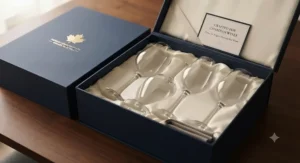
🔍 Take your dinner party glassware to the next level with these carefully selected picks. Click on any highlighted item to check current pricing and availability. These glasses will help you create authentic, elegant moments your guests will remember!
Frequently Asked Questions
❓ What's the difference between a Bordeaux glass and a Burgundy glass?
❓ Are long stem wine glasses better than stemless for red wine?
❓ How many long stem wine glasses do I need for a dinner party?
❓ Can you put crystal wine glasses in the dishwasher?
❓ Do you need to decant wine before pouring it into long stem glasses?
Conclusion
Choosing among long stem wine glasses for red wine really comes down to matching the glass to how you actually live and entertain, not just which set looks best in photos. If Bordeaux blends and serious Cabernet Sauvignon are your everyday pour, the Riedel Vinum Bordeaux rewards the investment with genuinely improved aroma. If you host often and want peace of mind against breakage, the Schott Zwiesel Vinos Bordeaux or AILTEC Stemmed Wine Glasses (Set of 6) solve that problem without asking you to babysit delicate crystal. And if you’re simply upgrading from mismatched glassware on a modest budget, the Libbey Signature Kentfield Estate, Spiegelau Style Red Wine, Gusto Nostro Crystal, and Physkoa Long Stem all deliver a noticeable step up without demanding a premium price.
Whatever you choose, remember that the glass is a tool for enjoying wine responsibly and thoughtfully — Health Canada’s guidance on alcohol offers useful context for anyone thinking about how much and how often to pour (Canada.ca). Pour a little less, savour it a little more, and let the right glass do some of the work for you.
Recommended for You
- Stemmed Wine Glasses: 7 Best Sets Canadians Trust in 2026
- Crystal Stem Wine Glasses: 7 Best Picks Ranked for 2026
- Wine Glasses on Sale: 7 Real 2026 Deals Worth Grabbing
Disclaimer: This article contains affiliate links. As an Amazon Associate, I earn from qualifying purchases. If you purchase products through these links, we may earn a small commission at no additional cost to you.
✨ Found this helpful? Share it with your friends! 💬🤗
