

In This Article
If you’ve ever white-knuckled a long-stemmed goblet across a crowded patio table, silently praying it wouldn’t tip, you already understand the appeal of short stem wine glasses for small hands. They’re exactly what the name promises: wine glasses with a noticeably shorter, sturdier stem — sometimes no stem at all — built so a smaller palm can wrap around the base and actually feel steady. For anyone with petite hands, arthritis, tremor, or a toddler orbiting the dinner table, that difference isn’t cosmetic. It’s the gap between confidently swirling a Pinot Noir and quietly switching to a mug.
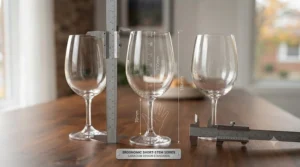
This guide digs into seven real, currently available glasses sold in Canada, from budget-friendly four-packs to splurge-worthy crystal. We’ll unpack the actual engineering behind a lower centre of gravity, compare short stem wine glasses vs long stem wine glasses head-to-head, and walk through low-profile stemware options that don’t sacrifice style for stability. We’ll also cover kids-adjacent adult tableware — glasses sized generously enough for small hands without looking like they belong in a toy chest — and tip-resistant glassware built to survive an enthusiastic dinner party. Everything here is grounded in real specs and genuine aggregated review sentiment, not guesswork.
Whether you’re shopping for yourself, a parent with stiff finger joints, or a friend who’s broken three wine glasses this year alone, you’ll walk away knowing exactly which style fits your hand, your budget, and your table.
Quick Comparison Table
Here’s the fast version for anyone who wants the highlights before diving into the full breakdown below.
| # | Glass | Capacity | Stem Style | Best For |
|---|---|---|---|---|
| 1 | Juvale Small Short-Stemmed Wine Glasses | 4.5 fl oz | Short stem | Tiny pours, tight cabinets |
| 2 | LAV Small Premium Wine Glasses | 8 oz | Short tulip stem | Budget everyday grip |
| 3 | Vikko 8.5 Ounce Small Wine Glasses | 8.5 oz | Short stem | Shaky or weak grip |
| 4 | Wine Enthusiast Madison Avenue Short Stem | 12 oz | Short stem | Vintage-style occasions |
| 5 | JoyJolt Spirits Stemless | 15 oz | Stemless | Tip-resistant everyday use |
| 6 | Riedel The O Wine Tumbler | 21.16 oz | Stemless | Premium varietal-shaped pour |
| 7 | Schott Zwiesel Banquet All Purpose | 10.1 oz | Short stem | Commercial-grade daily wear |
Looking at the spread above, the pattern is clear: capacity and stem height move in opposite directions from what you’d expect. The tiniest glass on this list, the Juvale Small Short-Stemmed Wine Glasses, actually has the most old-world “sherry glass” proportions, while the largest, the Riedel The O Wine Tumbler, ditches the stem entirely in favour of raw stability. If you’re buying for a hand that struggles with fine motor control, stemless options like the JoyJolt Spirits and Riedel The O generally win on tip resistance, while short-stem picks like Vikko and LAV strike a middle ground between traditional wine-glass aesthetics and a grip a small hand can actually manage.
💬 Just one click — help others make better buying decisions too!😊
Top 7 Short Stem Wine Glasses for Small Hands: Expert Analysis
Below is our full rundown of seven real, purchasable glasses, chosen to cover budget, mid-range, and premium options, along with meaningful variety in capacity, brand, and stem design.
1. Juvale Small Short-Stemmed Wine Glasses — best for petite pours in tight cabinets
The standout here is scale: at 4.5 fl oz and just 5.5 inches tall, this is less a wine glass and more a precision instrument for controlled sipping. That matters more than it sounds like it should. Originally designed as port-style glassware, the short stature means the centre of mass sits close to the table, and a small hand can close around the bowl without stretching fingers to their limit. The set of four is dishwasher-safe, which removes one of the most common complaints about delicate stemware — the fear of hand-washing something you might drop. Based on the spec comparison with taller glasses on this list, this is really a “sampling” glass rather than a full-pour vessel, so it suits tasting flights, dessert wines, or anyone whose doctor has suggested smaller servings. Reviewers consistently report that the compact size makes these easy to store in shallow cabinets and easy for guests with smaller hands to hold confidently through a whole evening. A common critique in user feedback is that 4.5 oz feels stingy for a generous glass of red, so this isn’t the pick for someone who wants a full 6-ounce pour without refilling twice.
Pros:
- ✅ Compact 5.5-inch height suits small hands and shelves
- ✅ Dishwasher-safe for stress-free daily cleanup
- ✅ Low, stable stem reduces tipping on crowded tables
Cons:
- ❌ Small 4.5 oz capacity limits pour size
- ❌ Less versatile for bold, full-bodied reds
At around C$20-C$30 for a set of four (prices may vary — always check current pricing before buying), this is one of the most affordable entries here, and the value case is straightforward if petite pours suit your household.

2. LAV Small Premium Wine Glasses — best budget tulip shape for everyday grip
What most buyers overlook about this set is the tulip bowl shape paired with a genuinely short stem — a combination that’s surprisingly rare at this price point. The 8 oz capacity sits in a sweet spot: big enough for a proper glass of white wine, small enough that the glass doesn’t feel top-heavy in a smaller palm. LAV notes the short stems are specifically easier to load into a dishwasher without the usual stem-snapping anxiety, and the company’s manufacturing footprint emphasizes recycled glass content, which is a nice bonus if sustainability factors into your purchase. On paper, the tulip shape also does real work for wine quality — it tapers gently at the rim to concentrate aroma, so you’re not trading performance for ergonomics. Aggregated review sentiment for LAV’s small stemware tends to praise the glass-to-price ratio; buyers frequently mention it looks more expensive than it costs. What the spec sheet won’t tell you, but reviewers note, is that the glass walls are thinner than the Vikko option below, which contributes to an elegant pour but demands a slightly gentler hand when washing by hand.
Pros:
- ✅ Tulip bowl concentrates aroma in a compact glass
- ✅ Genuinely short stem eases dishwasher loading
- ✅ Strong value relative to the elegant design
Cons:
- ❌ Thinner walls need gentler hand-washing
- ❌ Set of six may be more than solo drinkers need
Typically priced in the C$25-C$35 range for a set of six, this is an easy recommendation for anyone furnishing a first home bar without blowing the budget.
3. Vikko 8.5 Ounce Small Wine Glasses — best thick-walled build for shaky or weak grip
The 8.5 oz capacity here isn’t the headline — the wall thickness is. Vikko has built its reputation on glasses that are noticeably heavier and sturdier than typical big-box stemware, and that extra mass at the base does double duty: it lowers the centre of gravity while adding a reassuring heft that some people with grip weakness or tremor genuinely prefer over a feather-light glass that feels like it could slip at any second. Reviewers consistently note the flat, wide bottom eliminates the annoying pools of water that gather in concave-bottomed glasses after a dishwasher cycle, a small but real quality-of-life detail. Based on the spec comparison, this glass sits closer to a traditional stemmed silhouette than the Juvale or LAV options, so it still photographs and pours like a “real” wine glass rather than a tumbler — useful if you want function without abandoning formality entirely. A common thread in aggregated feedback is that the thick construction genuinely reduces chip and breakage complaints compared to thinner competitors, though a handful of reviewers mention the extra weight makes these feel less “delicate” for anyone who prefers featherlight crystal.
Pros:
- ✅ Thick, heavy base reassures shaky or weak grips
- ✅ Flat bottom avoids dishwasher water pooling
- ✅ Reported durability edge over thinner competitors
Cons:
- ❌ Extra weight feels less delicate to some drinkers
- ❌ Set of six is a bigger upfront commitment
Expect a price in the mid-C$20s to low-C$30s for a set of six, making the cost-per-glass genuinely competitive for a small-batch glassware brand.
4. Wine Enthusiast Madison Avenue Short Stem — best vintage-style splurge for special occasions
This is the glass on the list built for showing off. The standout feature is its distinctly retro silhouette — a weighty, curved bowl with distinctive silver accents that channels a 1960s executive-bar aesthetic rather than a modern minimalist look. At 6.5 inches tall and 12 oz, it’s mouth-blown, lead-free glass, which means each piece carries small individual variations that mass-produced sets simply don’t have. Here’s what to weigh: mouth-blown glass generally costs more to produce and ships in smaller batches, so this isn’t an everyday-breakage-tolerant pick — it’s for the hutch, brought out for dinner parties and gifts. The short stem still delivers the ergonomic benefit small hands need, but the character-driven design means it reads as a statement piece rather than a purely practical solution. Aggregated review sentiment for vintage-style Wine Enthusiast stemware tends to skew toward gifting occasions — buyers frequently mention purchasing it for anniversaries or as a signature “executive bar” upgrade rather than daily rotation. Hand-washing is recommended given the mouth-blown construction, which is worth factoring in if convenience is your top priority.
Pros:
- ✅ Distinctive vintage silhouette with silver accents
- ✅ Short stem keeps small-hand ergonomics intact
- ✅ Mouth-blown glass adds individual character
Cons:
- ❌ Hand-wash recommended, not dishwasher-first
- ❌ Premium price for a smaller set of two
Set of two typically lands in the C$45-C$60 range, which reflects the artisanal production rather than everyday commodity glassware.
5. JoyJolt Spirits Stemless — best tip-resistant pick for confident everyday pours
Here’s the honest analytical case for going stemless entirely: without a stem to snap or a narrow base to tip, this becomes the most forgiving glass on the list for anyone worried about accidents. The 15 oz capacity gives a generous pour, and the curved body is explicitly designed to nest into the hand rather than requiring a pinch grip around a thin stem. JoyJolt markets this shape as shatter-resistant rather than shatterproof — an important distinction — but the weighted base measurably reduces the tip-resistance concerns that come with narrow-bottomed glasses. What most buyers overlook is that “stemless” doesn’t mean “featureless”: the wide bowl still allows a proper swirl, so you’re not sacrificing wine service quality for stability, just trading the elegance of a stem for the practicality of a base that won’t topple when a toddler bumps the table. Reviewers consistently mention the broad base preventing spills during casual gatherings, and several note buying the set specifically after breaking one too many traditional stemmed glasses. A recurring critique is that the 15 oz size runs larger than some expect, so portion-conscious drinkers should note the capacity before pouring on autopilot.
Pros:
- ✅ No stem means nothing to snap or tip over
- ✅ Weighted base genuinely resists sideways knocks
- ✅ Generous 15 oz pour for everyday entertaining
Cons:
- ❌ Larger capacity than ideal for portion control
- ❌ Lacks the classic stemmed wine-glass silhouette
A set of four generally runs in the C$25-C$35 range, positioning it as one of the best value-for-stability options here.

6. Riedel The O Wine Tumbler (Cabernet/Merlot) — best premium varietal-shaped stemless glass
Riedel built its 300-year reputation on the idea that glass shape genuinely changes how wine tastes, and The O Wine Tumbler applies that same varietal-specific bowl engineering to a stemless format. The 21.16 oz capacity looks large on paper, but the rounded bowl that tapers toward the rim is designed for an average serving of around 7 oz — the extra headroom exists to let you swirl aggressively without sloshing, which is a real advantage for anyone with less fine motor control. Based on the spec comparison, this is the most technically engineered glass on this list: the wider, deeper base than competing stemless tumblers is explicitly built for a “stabilizing, harmonious balance,” according to the brand’s own bowl-shape research, and that base width is exactly what makes it tip-resistant in daily use. Reviewers consistently highlight that the machine-made, non-lead crystal construction survives dishwasher cycles far better than delicate hand-blown stemware, which matters for households that don’t want to babysit their glassware. What most buyers overlook is that the varietal-specific shape is genuinely functional, not just marketing — the tapered top is measurably narrower than the Cabernet/Merlot glass’s widest point, concentrating aromatics even without a stem to hold onto.
Pros:
- ✅ Wide, deep base engineered for genuine stability
- ✅ Varietal-specific bowl still concentrates aroma
- ✅ Dishwasher-safe, non-lead crystal construction
Cons:
- ❌ Premium pricing versus mass-market stemless glasses
- ❌ Large capacity may feel like overkill for light drinkers
Expect to pay in the C$50-C$70 range for a set of four — a genuine investment, but one grounded in decades of glass-shape research rather than novelty.
7. Schott Zwiesel Banquet All Purpose — best commercial-grade durability for daily use
The standout advantage here is Tritan crystal — a patented material composed of titanium and zirconium oxide that Schott Zwiesel developed specifically to survive the punishment of restaurant and hotel service. At 10.1 oz, this all-purpose glass is sized for genuine daily rotation rather than special occasions, and the shorter stem in the Banquet collection makes it noticeably more stable in hand than the brand’s taller Vinos line. Here’s what to weigh: this is glassware designed to be run through commercial dishwashers thousands of times without clouding or chipping, so if your household treats stemware like it owes them money, this is the pick built to survive that treatment. Reviewers consistently note the “signature sound” and brilliance typically associated with lead crystal, despite the Tritan glass containing no lead — a meaningful detail for households avoiding lead exposure from glassware. A common theme in aggregated feedback is that hospitality professionals and heavy home entertainers specifically seek this brand out after breaking through cheaper sets, treating it as a long-term investment rather than a disposable purchase. The trade-off is a more understated, all-purpose bowl shape rather than the varietal-specific curves found on pricier competitors.
Pros:
- ✅ Tritan crystal resists chips and dishwasher clouding
- ✅ Shorter stem than the brand’s formal collections
- ✅ Lead-free construction with crystal-like brilliance
Cons:
- ❌ All-purpose shape lacks varietal-specific nuance
- ❌ Set of six is a bigger investment upfront
Pricing generally sits in the C$40-C$55 range for a set of six, which works out to a reasonable cost-per-glass given the commercial-grade durability.
Practical Usage Guide: Getting the Most from Your Short Stem Glasses
Buying the right glass is only half the job — using and maintaining it properly is what actually protects your investment and your joints. Start with the first wash: even “dishwasher-safe” glassware benefits from an initial hand-rinse to clear manufacturing residue, particularly with mouth-blown pieces like the Wine Enthusiast Madison Avenue Short Stem. For daily maintenance, load short-stem and stemless glasses upright in a dedicated stemware rack rather than wedging them between prongs designed for taller glasses; the shorter profile means they can rattle loose and chip against neighbouring dishes if the rack isn’t sized correctly.
A common first-30-days mistake is over-tightening a two-handed grip out of habit — if you’ve spent years compensating for tippy long-stem glasses, it takes a few uses to trust that a wider base like the JoyJolt Spirits or Riedel The O genuinely doesn’t need white-knuckling. Let your hand relax into a loose “C” grip around the bowl rather than pinching the base; this is both more comfortable and, per occupational therapy guidance, easier on stressed finger joints. For storage, stack cabinet shelves with the tallest glasses at the back so shorter stemware in front stays visible and easy to grab one-handed — a small optimization that matters more than it sounds once you’re juggling a bottle opener in your other hand.
Finally, avoid extreme temperature swings: pouring chilled wine into a glass straight from a hot dishwasher cycle is the single most common cause of thermal-shock cracking across every brand on this list, premium or budget.
Real-World Scenarios: Who Actually Needs Short Stem Wine Glasses
The retiree with early-stage arthritis. If you’re managing joint stiffness and love a glass of wine with dinner but have started avoiding stemware out of fear of dropping it, a stemless option like the JoyJolt Spirits or the Riedel The O Wine Tumbler removes the pinch-grip requirement entirely. The wide base means you can set the glass down with a full palm rather than balancing it on fingertips, which matters enormously when even light gripping causes discomfort.
The parent hosting a casual dinner with young kids underfoot. If your dining room doubles as a runway for a six-year-old on a scooter, tip-resistant glassware isn’t optional — it’s damage control. The Vikko 8.5 Ounce or JoyJolt Spirits sets combine a low centre of gravity with genuine everyday durability, so an accidental table bump doesn’t end in a shattered glass and a wine-stained rug.
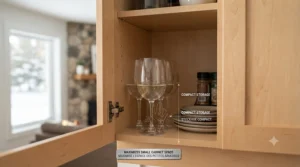
The apartment-dweller with limited cabinet space and a modest budget. If you’re furnishing a first place and every cubic inch of cabinet space is precious, the compact Juvale or LAV Small Premium sets store flat and stack easily, all while staying comfortably under C$35 a set — practical glassware that doesn’t demand a dedicated shelf.
Problem → Solution: Common Small-Hand Stemware Frustrations, Solved
Problem: Traditional long stems keep slipping out of a smaller grip. Solution: switch to a genuinely short-stemmed design like the LAV Small Premium or Vikko 8.5 Ounce, both of which shorten the distance your fingers need to travel to reach a stable hold.
Problem: Glasses tip over constantly on a crowded or uneven table. Solution: prioritize a wide, weighted base over stem height altogether — the Riedel The O Wine Tumbler and JoyJolt Spirits are both engineered around this exact issue.
Problem: Delicate stemware feels too fragile to hand confidently to a shaky-handed guest. Solution: choose thicker-walled glass like the Vikko set or Tritan crystal like the Schott Zwiesel Banquet, both built to shrug off the occasional knock.
Problem: Standard wine glasses hold more than you actually want to drink. Solution: downsize deliberately with a smaller-capacity option like the Juvale Small Short-Stemmed glasses, which naturally moderate pour size without you having to measure anything.
Problem: You want elegant glassware but dread hand-washing anything delicate. Solution: stick to dishwasher-rated Tritan or reinforced crystal, like the Schott Zwiesel Banquet or Riedel The O, and reserve mouth-blown pieces like the Wine Enthusiast Madison Avenue for occasional, careful use.
Short Stem Wine Glasses vs Long Stem Wine Glasses
The debate between short stem wine glasses vs long stem wine glasses isn’t really about tradition versus practicality — it’s about what job you need the glass to do. Long-stem glasses exist for a genuine reason: keeping your hand’s warmth away from the bowl preserves a chilled white wine’s temperature longer, and the added height traditionally signalled formality at the table. But that same height is exactly what makes long-stem glasses precarious for smaller hands, since gripping a thin 4-inch stem demands more fine motor control and pinch strength than most people realize until they’re asked to do it dozens of times through a long dinner.
| Feature | Short Stem / Stemless | Long Stem |
|---|---|---|
| Grip ease for small hands | Excellent — wide, close-to-bowl hold | Difficult — thin pinch grip required |
| Tip resistance | High, especially stemless designs | Low — narrow base, top-heavy |
| Wine temperature retention | Slightly less (hand contacts bowl) | Better (hand stays on stem) |
| Formal dinner-party aesthetic | Casual to semi-formal | Traditional and formal |
| Breakage risk (stem snapping) | Low to none | Higher |
Looking at the comparison above, short stem and stemless glasses clearly win on the practical dimensions — grip, stability, and breakage resistance — while long-stem designs retain a slight edge on temperature control and old-school formality. If you’re hosting a black-tie dinner where presentation matters more than practicality, a classic long-stem glass still has its place. But for the vast majority of everyday drinking, small-handed users, or households with active kids and pets underfoot, the short-stem or stemless category is simply the more livable choice, without meaningfully compromising the wine-tasting experience.

How to Choose Short Stem Wine Glasses for Small Hands
Picking the right glass comes down to a handful of measurable factors rather than guesswork. Here’s the framework we’d use:
- Measure your grip span first. Wrap your hand loosely around a glass you already own and note where it feels secure versus strained; this tells you whether you need a stem under 2 inches or a fully stemless bowl.
- Prioritize base width over bowl size. A base of roughly 2.5 to 3 inches in diameter dramatically improves tip resistance regardless of how tall the glass is overall.
- Match capacity to your actual pour habits. If you consistently pour 5 oz servings, an 8 oz glass like the LAV Small Premium avoids unnecessary bulk; heavier pourers may prefer the 15 oz JoyJolt Spirits.
- Weigh dishwasher-safety against occasion. Everyday glasses should be dishwasher-rated Tritan or reinforced crystal; reserve delicate mouth-blown pieces for special occasions only.
- Consider wall thickness for grip confidence. Thicker walls, like on the Vikko 8.5 Ounce, add reassuring heft for anyone managing tremor or reduced grip strength.
- Decide how much you value varietal-specific shaping. Premium options like Riedel The O genuinely improve aroma concentration; budget picks trade some of that nuance for savings.
- Buy one glass before committing to a full set whenever possible, so you can test grip comfort in your own hand before investing in six or eight matching pieces.
What Is Low-Profile Stemware? Features That Actually Matter
Low-profile stemware refers to wine glasses engineered with a reduced overall height — typically achieved through a shortened stem, a widened base, or both — specifically to lower the glass’s centre of gravity and make it easier to grip, lift, and set down securely. It’s a broader category than “stemless,” since it includes glasses like the LAV Small Premium and Vikko 8.5 Ounce that keep a stem but shrink it dramatically.
Not every feature marketed on low-profile stemware actually earns its keep. Base diameter matters enormously — a wider footprint is doing the real stability work. Wall thickness matters for grip confidence and chip resistance, especially for anyone with reduced hand strength. Bowl taper matters for aroma, even on a shorter glass, since it’s the curve near the rim, not the stem, that concentrates scent. On the other hand, decorative etching or coloured accents, while attractive, add essentially nothing to functional grip or stability — they’re aesthetic choices, not ergonomic ones. Similarly, “crystal” branding alone doesn’t guarantee durability; Tritan crystal (used by Schott Zwiesel) is engineered specifically for breakage resistance, while traditional lead crystal, despite the prestige, can actually be more fragile.
Kids-Adjacent Adult Tableware: Getting the Sizing Right Without Looking Juvenile
There’s a genuine design challenge in shopping for small-handed adults: most glassware sized for smaller grips reads as either “children’s tableware” or “novelty shot glass,” neither of which belongs at a proper dinner table. The category we’d call kids-adjacent adult tableware threads that needle — pieces sized generously enough for a smaller hand without visually shrinking into something a toddler would use for juice.
The Juvale Small Short-Stemmed glasses succeed here specifically because the proportions stay classically wine-glass-shaped rather than tumbler-shaped; a shorter stem reads as elegant “port glass” styling rather than a scaled-down kids’ cup. The same logic applies to the LAV Small Premium tulip design — the tapered bowl signals sophistication regardless of its smaller overall footprint. What most buyers overlook is that colour and clarity do a lot of the visual heavy lifting here: crystal-clear, unadorned glass consistently reads as more adult and formal than tinted or novelty-shaped alternatives, even at a reduced size. If you’re shopping for a family member who’s self-conscious about needing “special” glassware, steering toward these classically proportioned, smaller-capacity pieces rather than anything marketed explicitly as “adaptive” or “easy-grip” tends to feel far more dignified at the table.
Tip-Resistant Glassware: Stability, Safety and Everyday Confidence
Tip-resistant glassware earns its name through physics, not marketing — a wider, heavier base lowers the centre of gravity enough that an accidental bump doesn’t translate into a toppled glass. This matters more than it might seem: broken glass at a dinner table is a genuine safety hazard, not just an inconvenience, particularly around kids or pets on the floor nearby. In Canada, all glass and drinking vessels sold to consumers, including decorated crystal, fall under the Glazed Ceramics and Glassware Regulations administered by Health Canada, which limits how much lead or cadmium can migrate from decorative rims into your beverage — worth knowing if you’re drawn to ornate vintage crystal like the Wine Enthusiast Madison Avenue design.
Beyond the legal baseline, the practical stability differences between glasses are significant. Both the JoyJolt Spirits and Riedel The O Wine Tumbler rely on a wide, weighted stemless base specifically engineered to resist sideways knocks, while shorter-stemmed options like the Vikko 8.5 Ounce split the difference between traditional aesthetics and genuine tip resistance. The Arthritis Society Canada notes that assistive, easier-to-grip household items can meaningfully reduce joint strain during everyday tasks, and that same principle applies directly to stemware — a glass that doesn’t require a delicate, wrist-extended grip is doing real ergonomic work, not just following a design trend.
Common Mistakes When Buying Wine Glasses for Small Hands
The most frequent mistake is buying based on stem height alone while ignoring base width — a glass with a two-inch stem can still tip easily if the footprint underneath is narrow. A second common error is assuming “stemless” automatically means “tip-resistant”; some cheaper stemless tumblers actually have narrower bases than well-engineered short-stem designs, so it’s worth checking the base diameter specifically rather than trusting the stemless label alone.
Buyers also frequently overspend on a full eight-piece set before confirming the glass actually suits their grip, when starting with a set of two or four — like the Wine Enthusiast Madison Avenue or Riedel The O — is a lower-risk way to test comfort first. Another overlooked mistake is ignoring capacity entirely; a beautifully ergonomic glass that holds 21 oz, like Riedel The O, may feel unwieldy full for someone specifically seeking a lighter, more manageable pour. Finally, many shoppers skip checking dishwasher-safety details and end up hand-washing an entire collection indefinitely, which defeats much of the practicality that drew them to short-stem glassware in the first place.
Long-Term Cost & Maintenance: What Short Stem Glasses Really Cost You
The sticker price is only part of the real cost of stemware. Traditional long-stem glasses have a well-documented failure point — the thin neck where the bowl meets the base — and replacing broken pieces from a matched set adds up quickly over a few years of regular use. Short-stem and stemless designs largely eliminate that specific failure point, which is where their long-term value proposition actually lives.
| Glass | Set Price Range (CAD) | Breakage Risk | Best Long-Term Value For |
|---|---|---|---|
| Juvale Small Short-Stemmed | C$20-C$30 | Low | Occasional, low-volume use |
| LAV Small Premium | C$25-C$35 | Moderate (thin walls) | Everyday elegant use |
| Vikko 8.5 Ounce | C$25-C$35 | Low (thick walls) | Households with kids/pets |
| JoyJolt Spirits | C$25-C$35 | Very low | Heavy daily rotation |
| Riedel The O | C$50-C$70 | Low | Long-term premium investment |
| Schott Zwiesel Banquet | C$40-C$55 | Very low | Commercial-grade longevity |
Looking at the table above, the highest per-glass value over a five-year horizon likely belongs to JoyJolt Spirits and Schott Zwiesel Banquet, since both minimize the breakage-related replacement costs that quietly inflate the real price of more fragile stemware. Premium picks like Riedel The O cost more upfront but rarely need replacing, making the true cost-per-use competitive once you account for years of use rather than the initial purchase alone.
✨ Don’t Miss These Exclusive Deals!
🔍 Take your wine glass shopping to the next level with these carefully selected, small-hand-friendly picks. Click on any highlighted item to check current pricing and availability. These pieces will help you create authentic, confident wine moments your family and guests will love!
FAQ
❓ What are short stem wine glasses for small hands called?
❓ Are stemless wine glasses considered wine glasses for small hands?
❓ Do short stem wine glasses affect wine taste?
❓ Are short stem wine glasses dishwasher safe?
❓ What size wine glass is best for small hands?
Conclusion
Short stem wine glasses for small hands aren’t a compromise on style — they’re a genuine upgrade in usability for a huge range of people, from arthritis sufferers to parents with kids underfoot to anyone who’s simply tired of babysitting a fragile long-stemmed goblet. Across the seven real glasses covered here, the throughline is consistent: a wider base and shorter profile translate directly into a steadier grip and fewer accidents, whether you land on the budget-friendly Juvale Small Short-Stemmed set or the premium, varietal-engineered Riedel The O Wine Tumbler.
The right pick ultimately depends on your specific priorities — capacity for your typical pour, dishwasher convenience for daily rotation, or vintage character for special occasions like the Wine Enthusiast Madison Avenue. Whichever direction you go, prioritizing base width and grip comfort over pure aesthetics will serve you well at every dinner table for years to come. Check current prices on Amazon.ca before you buy, since availability and pricing shift regularly, and consider starting with a smaller set to confirm the fit before committing to a full collection.
Recommended for You
- Long Stem Wine Glasses for Red Wine: 7 Stunning 2026 Picks
- Stemmed Wine Glasses: 7 Best Sets Canadians Trust in 2026
- Crystal Stem Wine Glasses: 7 Best Picks Ranked for 2026
Disclaimer: This article contains affiliate links. As an Amazon Associate, I earn from qualifying purchases. If you purchase products through these links, we may earn a small commission at no additional cost to you.
✨ Found this helpful? Share it with your friends! 💬🤗
