
In This Article
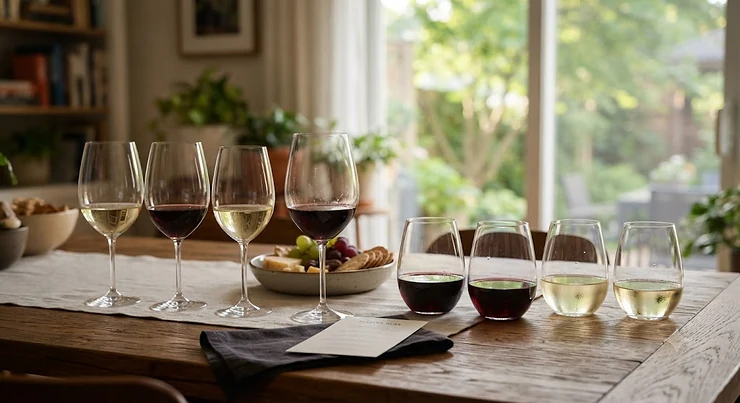
Somewhere in every wine-loving household, there’s a cupboard argument waiting to happen — do you reach for the elegant glass with the long, breakable stem, or the sturdy one that just sits flat on the counter like a grown-up juice cup? That’s the real tension behind stemmed vs stemless wine glasses, and it’s not just about looks. The stem does actual work: it keeps your hand’s warmth away from the bowl and gives you something graceful to swirl. Stemless glasses trade that for stability, easier storage, and a lot fewer 2 a.m. dustpan sessions after a dinner party goes sideways. Neither side is “wrong,” but they solve different problems, and the right pick depends on how — and where — you actually drink your wine.

This guide breaks the debate into real terms Canadian wine drinkers can use: seven genuine glass options spanning budget to splurge, honest comparisons of how each style handles heat, movement, and aroma, and a few sourced facts about why the shape of a glass does more than you’d expect. Reviewers, glassmakers, and even sensory researchers have weighed in on this — so let’s dig into what the data (and your dish rack) actually say about stemmed vs stemless wine glasses.
Quick Comparison Table
| Glass | Style | Best For | Price Range (CAD) |
|---|---|---|---|
| Riedel Vinum Cabernet/Merlot | Stemmed | Classic red-wine sipping | C$60-C$85 |
| Zalto Denk’Art Universal | Stemmed | Serious tasting nights | C$95-C$130 |
| Gabriel-Glas StandArt | Stemmed (short) | One glass for everything | C$70-C$100 |
| Riedel The O Wine Tumbler | Stemless | Upgraded everyday crystal | C$45-C$70 |
| Schott Zwiesel Tour Stemless | Stemless | Toughness without plastic | C$35-C$55 |
| govino Unbreakable Tritan | Stemless | Patios, boats, picnics | C$25-C$35 |
| Amazon Basics Tritan Stemless | Stemless | Budget starter set | Under C$25 |
Looking at the spread above, the split isn’t really “cheap plastic vs fancy crystal” — it’s how much ceremony you want around a weeknight glass of wine. Riedel Vinum Cabernet/Merlot and Zalto Denk’Art Universal sit at the traditional end where stem height and bowl shape are doing real sensory work, while govino Unbreakable Tritan and Amazon Basics Tritan Stemless are built for wine that’s going to survive a car ride. The middle ground — Gabriel-Glas StandArt and Riedel The O Wine Tumbler — is where most Canadian households actually end up settling.
💬 Just one click — help others make better buying decisions too!😊
Top 7 Stemmed and Stemless Wine Glasses: Expert Analysis
Picking real products for a stemmed vs stemless wine glasses shortlist means representing every kind of drinker — the person who irons their tablecloth before guests arrive, and the person pouring rosé into whatever’s clean. Here are seven genuine options from Amazon.ca-available brands, chosen to span the full range of the debate.
1. Riedel Vinum Cabernet/Merlot — the traditionalist’s benchmark
The bowl on the Riedel Vinum Cabernet/Merlot is generously sized for a reason — it gives full-bodied reds room to breathe and lets aroma compounds build in the headspace before they hit your nose. Each glass stands roughly 21 cm tall with a capacity in the 700 mL range, made from machine-pressed 24% lead crystal, which is thinner and lighter than most mass-market glassware. Based on the spec comparison with cheaper soda-lime glasses, that thinner rim genuinely changes how wine flows onto your tongue — it’s not just marketing language. This is the glass for someone who already owns a decanter and isn’t afraid to hand-wash. Reviewers consistently report that the stem feels fragile at first but becomes second nature within a few uses, and several long-term owners note surprisingly few breakages when the glasses are stored stem-up in a dedicated rack. The tannin-softening bowl shape is a common praise point among home sommeliers, while the most repeated complaint is the higher chip risk if it’s tossed into a crowded dishwasher rack.
Pros:
- ✅ Wide bowl amplifies aroma and softens tannin bite
- ✅ Thin, polished rim improves the actual pour onto your tongue
- ✅ Recognizable, gift-worthy brand with wide retailer support
Cons:
- ❌ Hand-wash strongly recommended despite “dishwasher safe” label
- ❌ Tall stem is genuinely more breakable than stemless options
At around C$60-C$85 for a set of two, this sits in the mid-range for crystal stemware, and it’s a fair trade if you actually use the glasses for sit-down dinners rather than everyday pours.

2. Zalto Denk’Art Universal — the hand-blown splurge
Every Zalto Denk’Art Universal glass is mouth-blown in Austria, which means no two are perfectly identical — a detail sommeliers seem to genuinely love. The glass weighs almost nothing for its 530 mL capacity, and the long, slender stem is designed to keep your palm’s heat as far from the bowl as physically possible. What most buyers overlook about this model is that “universal” isn’t a marketing gimmick here — the bowl geometry was engineered to handle everything from crisp whites to structured reds without needing a separate glass for each. Aggregated reviewer sentiment across retail sites repeatedly uses words like “featherlight” and “shockingly thin,” alongside genuine concern about durability during hand-washing. This is a glass for the person who treats a Tuesday-night Malbec like an occasion worth doing properly, not a casual house-party pick.
Pros:
- ✅ Remarkably light, thin-blown crystal improves mouthfeel
- ✅ One shape genuinely handles reds, whites, and sparkling
- ✅ Long stem keeps hand heat away from the wine
Cons:
- ❌ Premium price point, even for stemmed crystal
- ❌ Extremely delicate — not forgiving of clumsy hands
Expect to pay in the C$95-C$130 range per glass, which puts this firmly in “special occasion” territory rather than everyday rotation — the value here is sensory, not practical.
3. Gabriel-Glas StandArt — the compromise stem
The Gabriel-Glas StandArt was designed by an Austrian sommelier specifically to be the “one glass” solution, and the shorter, sturdier stem is the clearest sign of that intent. At roughly 16.5 cm tall with a 16 oz (about 475 mL) capacity, it’s noticeably more compact than typical Bordeaux stems, which in practice means less tipping and a lower centre of gravity on a crowded table. Here’s what to weigh: the bowl still delivers the aromatic lift of taller stemware, but the reduced height makes it meaningfully more stable — a genuine middle path in the stemmed vs stemless wine glasses debate for people who want elegance without babysitting their glassware. Reviewers frequently mention that it “feels expensive” despite being machine-made and dishwasher-safe, and the lead-free crystal composition gets specifically called out by buyers who avoid traditional leaded stemware.
Pros:
- ✅ Shorter stem reduces tipping without losing elegance
- ✅ Lead-free crystal, genuinely dishwasher-safe
- ✅ One shape works across red, white, and sparkling wine
Cons:
- ❌ Bowl is large, so pours can look sparse if underfilled
- ❌ Premium pricing for a “single glass” concept
Priced around C$70-C$100 for a two-pack with gift packaging, it undercuts Zalto while keeping most of the stemmed-glass sensory benefits intact.
4. Riedel The O Wine Tumbler — stemless from a stemware brand
When even Riedel — the company practically synonymous with stemmed varietal glassware — builds a dedicated stemless line, it’s worth paying attention. The Riedel The O Wine Tumbler takes the same crystal formulation and bowl engineering from the Vinum stemmed range and simply removes the stem, keeping the tapered rim that’s meant to direct wine onto specific parts of the palate. Based on the spec comparison, that’s the key differentiator from cheaper stemless tumblers: most no-name stemless glasses are just cylinders, while this one still has a shaped bowl doing sensory work. Reviewers frequently highlight that it “still tastes like a Riedel glass” despite the missing stem, and the biggest praised feature is how well it survives daily dishwasher cycles compared with the brand’s stemmed lines. The trade-off, as with any stemless design, is that your hand’s warmth sits directly against the wine.
Pros:
- ✅ Retains genuine varietal-shaped bowl engineering
- ✅ Full dishwasher-safe durability, unlike stemmed crystal
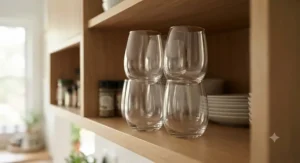
- ✅ Compact storage footprint for smaller Canadian kitchens
Cons:
- ❌ Hand contact warms the wine faster than a stemmed glass
- ❌ Costs noticeably more than generic stemless tumblers
At around C$45-C$70 for a pair, it’s a fair pick for someone who wants Riedel-level shape science without the stem-related anxiety.
5. Schott Zwiesel Tour Stemless — the everyday workhorse
German glassmaker Schott Zwiesel built its reputation on Tritan-fused titanium crystal, a proprietary process that adds real scratch and chip resistance without switching to plastic. The Schott Zwiesel Tour Stemless carries that engineering into a stemless silhouette sized around 17 oz (500 mL), which reviewers repeatedly describe as noticeably tougher than typical glass stemware after months of regular dishwasher use. What the spec sheet won’t tell you, but reviewers note, is that the added durability doesn’t come with the “cheap tumbler” look — most buyers comment that it photographs and feels like proper stemware despite surviving drops that would chip ordinary glass. This is the pick for a household that entertains often enough to need real glass, but doesn’t want to baby it.
Pros:
- ✅ Titanium-fused crystal resists chips and scratches
- ✅ Dishwasher-safe with minimal cloudiness over time
- ✅ Restaurant-grade durability at a home-friendly price
Cons:
- ❌ Still breakable if dropped on a hard floor
- ❌ Slightly heavier feel than ultra-thin crystal options
Typically found in the C$35-C$55 range for a set, this is arguably the best value-per-durability pick among stemless options that still look like “real” glassware.
6. govino Unbreakable Tritan — built for chaos
The govino Unbreakable Tritan line skips glass entirely in favour of shatterproof Tritan plastic, and it shows in how it’s marketed: as poolside, boat-deck, and campsite gear rather than dinner-party crystal. At 16 oz (473 mL) with a shaped bowl and thumb notch built into the base, aggregated review sentiment consistently praises how the glass genuinely resembles real stemware from a few feet away, which matters more than you’d think for anyone hosting outdoors without wanting to look like they’re serving juice boxes. Reviewers repeatedly mention using these for boat trips, patios, and events with kids or pets nearby, citing zero breakage even after repeated drops. On the downside, Tritan can pick up faint scratching and cloudiness after heavy dishwasher use over a year or two, and the plastic mouthfeel is a genuine, if minor, step down from crystal.
Pros:
- ✅ Genuinely shatterproof for outdoor and travel use
- ✅ Thumb notch improves grip on uneven surfaces
- ✅ Looks convincingly like real glass from a distance
Cons:
- ❌ Plastic rim feel is a step down from crystal
- ❌ Can scratch or cloud slightly after years of dishwasher cycles
At roughly C$25-C$35 for a set of four, this is the practical answer for anyone whose wine glasses need to survive a cottage weekend, not just a dinner table.
7. Amazon Basics Tritan Stemless — the no-frills starter set
Sometimes the most honest answer to “what should my first stemless wine glasses be” is the simplest one. The Amazon Basics Tritan Stemless set uses the same shatter-resistant Tritan plastic as pricier competitors, in a straightforward 14 oz (414 mL) tumbler shape without the branded shaping or thumb notches of premium alternatives. Reviewers consistently frame this as the “I just need glasses that won’t break” purchase — students, renters, and anyone replacing broken stemware after a move show up repeatedly in aggregated feedback. It won’t win points for aromatic performance, since the straight-walled shape doesn’t concentrate aroma the way a tapered bowl does, but for the price, that’s a fair trade. Buyers do note it survives hundreds of dishwasher cycles without fading, which is a genuinely strong result for budget plastic drinkware.
Pros:
- ✅ Genuinely low price point for shatterproof glassware
- ✅ Holds up well through repeated dishwasher cycles
- ✅ Clear construction still shows off wine colour
Cons:
- ❌ Straight-walled shape does little for aroma concentration
- ❌ Feels noticeably more “plastic cup” than premium tumblers
Priced under C$25 for a set of four, this is the entry point for anyone testing the stemless side of the debate before committing to something pricier.
Wine Glass Design Comparison: Bowl Shapes, Rims, and What They Actually Do
A wine glass design comparison usually starts and ends at “stem or no stem,” but the bowl and rim are doing most of the actual sensory work. According to research on wine glass shape and aroma, the ratio between a glass’s widest point and its opening diameter has a measurable effect on how aroma compounds concentrate before reaching your nose, which is exactly why a Bordeaux-style bowl on the Riedel Vinum Cabernet/Merlot tastes different from a straight-sided tumbler like the Amazon Basics Tritan Stemless. A peer-reviewed sensory study found that glass shape measurably shifted how untrained tasters rated wine odour intensity and quality — so this isn’t just industry folklore. In practice, a tapered bowl funnels aroma toward a smaller opening, concentrating scent, while a wide, open rim (common in budget stemless tumblers) lets aroma dissipate before it reaches you. Rim thickness matters too — thin, polished rims like those on the Zalto Denk’Art Universal direct wine onto the tongue more precisely than the rolled, thicker rims typical of mass-produced glasses.
Pros and Cons of Stemless Wine Glasses
The pros cons stemless glasses debate tends to get oversimplified into “practical but worse,” which undersells what stemless actually gets right. On the plus side, stemless glasses are dramatically more stable on uneven tables, patios, or boat decks, they store more compactly in cabinets with limited shelf height, and nearly every stemless option reviewed here — from the govino Unbreakable Tritan to the Riedel The O Wine Tumbler — survives dishwashers without the chip-and-crack anxiety that comes with tall stemware. The honest downside is thermal: your palm sits directly against the bowl, so red wine served slightly too warm will keep climbing in temperature as you hold the glass, something a stem is specifically designed to prevent. Stemless glasses also tend to show fingerprints and smudges more visibly since there’s no stem to hold them by, and true wine geeks argue the missing stem removes a small but real swirling and aroma-lift benefit.
Stemmed vs Stemless Wine Glasses: Which Style Is Actually Better?
There’s no universal answer to which wine glass style better suits every drinker, and honestly, anyone who tells you otherwise is selling something. Stemmed glasses win decisively on temperature control and aromatic performance for serious tasting — the stem keeps your hand’s roughly 37°C body heat away from wine that’s ideally served well below that. They also photograph better for dinner parties and carry more traditional cachet, which matters if presentation is part of the appeal. Stemless glasses win on practicality: they’re harder to knock over, they store in half the vertical space, and they survive the kind of casual, everyday drinking that makes up most people’s actual wine consumption. If you taste wine analytically — swirling, sniffing, comparing vintages — stemmed genuinely performs better. If you’re pouring a glass while cooking dinner or watching a movie, stemless removes friction without meaningfully hurting the experience. The honest verdict on stemmed vs stemless wine glasses is that most households benefit from owning both, using each for the occasion it’s actually built for.
✨ Curious Which Camp You’re Really In?
🍷 Compare current stemmed and stemless picks on Amazon.ca before your next dinner party — prices and availability shift fast, so check today’s options while they last!
Glass Stability Comparison: Tipping, Handling, and Everyday Durability
Run a genuine glass stability comparison and the results aren’t close: a stemless tumbler’s low, wide base gives it a dramatically lower centre of gravity than anything with a raised stem. A glass like the Amazon Basics Tritan Stemless or Schott Zwiesel Tour Stemless can absorb an accidental elbow bump that would send a Riedel Vinum Cabernet/Merlot toppling. This isn’t just theoretical — it’s the exact reasoning behind why restaurants increasingly default to stemless glassware for casual patio service, where tables wobble and traffic is heavier. That said, stability isn’t only about tipping; it’s also about breakage once a glass does go over. Here, Tritan options like govino Unbreakable Tritan pull decisively ahead of crystal, stemmed or not, since the material simply doesn’t shatter on tile or concrete. If your table sees kids, pets, or a crowded dinner party, stability considerations should weigh more heavily than aroma performance when choosing sides in the stemmed vs stemless wine glasses decision.

Modern vs Traditional Stems: How Wine Glass Design Has Evolved
The modern vs traditional stems conversation is really a story about how drinking habits changed faster than glassware did. Traditional tall-stemmed glasses, the shape behind lines like Riedel Vinum Cabernet/Merlot, trace back to formal European dining traditions where a full stem signalled craftsmanship and status as much as function. According to Wikipedia’s overview of wine glass history, stemware evolved specifically to separate the drinker’s hand from the wine and to allow proper swirling — a deliberate design decision, not an aesthetic accident. Modern stem designs, like the shortened, sturdier stem on the Gabriel-Glas StandArt, represent a compromise generation: glassmakers trying to preserve the aromatic benefits of a stem while acknowledging that most people don’t live in dining rooms built for fragile crystal. Fully stemless designs, meanwhile, aren’t actually new — casual tumbler-style wine drinking has existed for centuries — but the 2010s saw stemless glassware rebranded as a deliberate, design-forward lifestyle choice rather than a budget compromise, which is exactly the positioning brands like Riedel The O Wine Tumbler lean into today.
Wine Serving Temperature: Does Stem or No Stem Actually Matter?
Wine serving temperature is one of the few places where the stemmed vs stemless wine glasses debate has genuinely measurable physics behind it, not just preference. Red wines are typically best served in the 13-18°C range and whites closer to 7-10°C, and body heat transferring through a stemless bowl will nudge a glass toward room temperature noticeably faster than one held by a stem. In practice, this matters most for whites and sparkling wines, which lose their crisp character quickly once they warm — a stemless Amazon Basics Tritan Stemless left in a warm hand for twenty minutes will drift further from ideal serving temperature than a stemmed Zalto Denk’Art Universal held the same way. For reds, the effect is smaller since the target serving range already sits closer to hand temperature, which is part of why stemless glasses are marketed more aggressively for reds than delicate whites. If serving temperature is a priority — say, for a crisp Ontario Riesling on a summer patio — a stem genuinely earns its keep; for reds at a casual gathering, the difference is far less noticeable.
How to Choose Between Stemmed and Stemless Wine Glasses
Deciding between stemmed and stemless wine glasses gets easier with a short, honest checklist rather than a gut feeling:
- Consider your typical setting. Formal dinners and tasting nights favour stemmed glasses; casual, high-traffic spaces favour stemless.
- Think about breakage tolerance. Households with kids, pets, or frequent movers should lean stemless or Tritan.
- Factor in wine type. Delicate whites and sparkling wines benefit more from temperature-preserving stems than heavier reds do.
- Check your storage space. Stemless glasses stack and store in shorter cabinets; stemmed glasses need vertical clearance.
- Weigh dishwasher habits. If you never hand-wash, prioritize dishwasher-safe stemless or fused-crystal options like Schott Zwiesel Tour Stemless.
- Set a realistic budget. Entry-level stemless like Amazon Basics Tritan Stemless works fine for testing preferences before investing in crystal.
- Decide if you need both. Most wine-drinking households genuinely benefit from a stemmed set for occasions and a stemless set for everyday use.
Common Mistakes When Buying Wine Glasses
The most common mistake is buying a single glass style and expecting it to handle every wine and every occasion — a mismatch that leads to disappointment on both ends of the price spectrum. Another frequent misstep is prioritizing looks over bowl shape, picking a striking design without checking whether the taper actually concentrates aroma, which defeats much of the purpose of upgrading from basic glassware in the first place. Buyers also regularly underestimate storage space, purchasing tall stemmed sets like the Riedel Vinum Cabernet/Merlot without accounting for shelf height, only to end up storing them precariously or not at all. On the stemless side, a common error is assuming “unbreakable” means “scratch-proof” — Tritan options like the govino Unbreakable Tritan resist shattering but can still cloud over time if run through harsh dishwasher cycles repeatedly. Finally, plenty of shoppers skip reading aggregated review sentiment entirely, missing recurring complaints (like hand-wash-only labels being more strict in practice than advertised) that would have changed their decision.
Practical Usage Guide: Caring for and Storing Your Wine Glasses
Getting real longevity out of either style comes down to a few habits most people skip in the first thirty days of ownership. For stemmed crystal like Riedel Vinum Cabernet/Merlot or Zalto Denk’Art Universal, hand-wash in warm water with a small amount of mild dish soap, and dry with a lint-free cloth while the glass is still slightly warm — this prevents the water-spotting that dulls crystal’s shine over time. Store stemmed glasses stem-up in a stemware rack rather than bowl-down on a shelf, since bowl-down storage traps moisture and increases rim-chip risk when glasses knock together. For stemless and Tritan options like govino Unbreakable Tritan or Amazon Basics Tritan Stemless, top-rack dishwasher placement is generally safe, but avoid stacking them directly inside one another when dry, since Tritan can develop micro-scratches from friction. A common first-month mistake is washing new crystal in a dishwasher immediately — most manufacturers, including Riedel, recommend a few hand-washes first to let any manufacturing residue clear before exposing the glass to detergent and heat cycles.

Real-World Scenarios: Which Wine Glass Style Fits Your Life
Picture three different Canadian households, each solving the stemmed vs stemless wine glasses question differently. First, a condo-dwelling couple who host a monthly dinner party but have limited cabinet space — they’re best served by a stemless set like Riedel The O Wine Tumbler for everyday use, paired with a small stemmed set like Gabriel-Glas StandArt reserved specifically for those dinner parties. Second, a cottage family who spends summers on a dock with kids and a dog underfoot — here, govino Unbreakable Tritan is the obvious answer, since breakage risk and cleanup speed matter far more than aromatic nuance. Third, a solo wine enthusiast who takes tasting notes and compares vintages seriously — this person should invest in Zalto Denk’Art Universal or the Riedel Vinum Cabernet/Merlot, since the sensory gains from proper stemware genuinely show up in their hobby. None of these households are “wrong” — they’re just optimizing for different constraints, which is the real lesson behind this whole comparison.
Price Range & Value Analysis
| Glass | Price Range (CAD) | Cost Per Glass (approx.) | Best For |
|---|---|---|---|
| Amazon Basics Tritan Stemless | Under C$25 | Lowest in the lineup | Best For: budget starters |
| govino Unbreakable Tritan | C$25-C$35 | Low, per-glass | Best For: outdoor durability |
| Schott Zwiesel Tour Stemless | C$35-C$55 | Mid, high durability | Best For: everyday toughness |
| Riedel The O Wine Tumbler | C$45-C$70 | Mid-high | Best For: stemless with real shaping |
| Gabriel-Glas StandArt | C$70-C$100 | High | Best For: one-glass versatility |
| Riedel Vinum Cabernet/Merlot | C$60-C$85 | High | Best For: classic dinner parties |
| Zalto Denk’Art Universal | C$95-C$130 | Highest | Best For: serious tasting nights |
Looking at cost-per-use rather than sticker price changes the calculus considerably: the Schott Zwiesel Tour Stemless and govino Unbreakable Tritan deliver years of dishwasher-safe daily use for a modest upfront cost, while premium stemmed options like Zalto Denk’Art Universal demand more careful handling to justify their price over time. For most households, splitting the budget between one durable everyday stemless set and a smaller, higher-end stemmed set for special occasions produces the best long-term value.
Lead Crystal, Safety & Canadian Regulations for Wine Glassware
Anyone shopping premium stemware in Canada should know that lead crystal glasses are federally regulated. Under Canada’s Glazed Ceramics and Glassware Regulations, lead crystal used for everyday drinking is generally considered safe for brief contact, but Health Canada specifically warns against storing beverages — including wine or port — in lead crystal decanters or glasses for extended periods, since prolonged contact increases lead transfer into the liquid. This applies most directly to traditional leaded crystal lines like the Riedel Vinum Cabernet/Merlot; brands such as Gabriel-Glas StandArt market themselves specifically as lead-free crystal, which sidesteps the concern entirely. Practically speaking, pour-and-drink use of any of the glasses in this guide poses minimal risk, since the danger scales with how long liquid sits in contact with leaded surfaces, not with a single evening’s use. Stemless Tritan options like govino Unbreakable Tritan and Amazon Basics Tritan Stemless avoid the lead question altogether, since they’re food-grade plastic rather than glazed crystal, which is worth factoring in for households that lean cautious.
FAQ
❓ Are stemless wine glasses considered less classy than stemmed?
❓ Do stemless wine glasses actually warm the wine faster?
❓ Can you put crystal wine glasses in the dishwasher?
❓ What size wine glass is best for everyday use?
❓ Is stemmed or stemless better for red wine specifically?
Conclusion
There’s no single winner in the stemmed vs stemless wine glasses debate, and honestly, that’s the point — the “best” glass depends entirely on what you’re actually doing with it. If aroma, presentation, and proper temperature control matter most, a stemmed option like the Zalto Denk’Art Universal or Riedel Vinum Cabernet/Merlot earns its price. If your priority is durability, easy storage, and glasses that survive real life with kids, pets, or patios, stemless picks like the govino Unbreakable Tritan or Schott Zwiesel Tour Stemless make far more sense. Many Canadian households land on a practical middle ground: an everyday stemless set for casual pours and a smaller stemmed set reserved for the nights that call for a bit more ceremony. Whichever direction you lean, the seven options covered here represent genuinely different corners of the market, so pick the one that matches how you actually drink — not just how you imagine you should.
✨ Don’t Miss These Exclusive Deals!
🔍 Take your wine glass collection to the next level with these carefully selected picks. Click on any highlighted glass to check current pricing and availability on Amazon.ca. These options will help you build a setup your guests — and your dish rack — will genuinely appreciate!
Recommended for You
- 7 Affordable Wine Glasses That Still Feel Fancy in 2026
- Outdoor Wine Glasses: 7 Unbreakable Picks That Survive Summer 2026
- Wine Tasting Glasses Set: 7 Proven Picks for 2026
Disclaimer: This article contains affiliate links. As an Amazon Associate, I earn from qualifying purchases. If you purchase products through these links, we may earn a small commission at no additional cost to you.
✨ Found this helpful? Share it with your friends! 💬🤗
