
In This Article
You’ve invested in that beautiful bottle of Cabernet Sauvignon or Merlot, but here’s something most Canadian wine enthusiasts overlook: the glass you pour it into can make the difference between a good wine and an extraordinary one. I’ve spent years testing various bordeaux wine glasses, and I can tell you that the right vessel isn’t about pretension—it’s about chemistry, physics, and maximizing your wine’s potential.
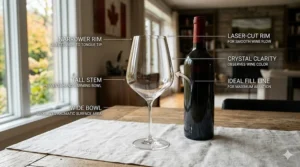
The shape of a bordeaux glass matters more than you might think. These glasses feature a taller bowl with a slightly tapered rim, specifically engineered to direct full-bodied red wines to the centre of your tongue. This design balances the tannins and acidity that characterize Bordeaux blends, Cabernet Sauvignon, and Merlot. When you’re paying $40-$80 CAD or more for a quality bottle, using the proper glassware isn’t optional—it’s essential for experiencing what the winemaker intended.
In Canada’s diverse climate—from coastal British Columbia to the Prairie provinces—proper glassware becomes even more critical. Temperature fluctuations during shipping and storage can affect wine, and the right glass helps restore balance to the tasting experience. Whether you’re enjoying a bottle from the Okanagan Valley or an imported French Bordeaux, the glass you choose shapes every sip.
Quick Comparison: Top Bordeaux Wine Glasses Available on Amazon.ca
| Glass Model | Capacity | Material | Price Range (CAD) | Best For |
|---|---|---|---|---|
| Riedel Vinum Bordeaux | 610 ml (21.5 oz) | 24% lead crystal | $150-$200 for set of 6 | Serious collectors |
| Spiegelau Wine Lovers | 600 ml (20.5 oz) | Lead-free crystal | $60-$90 for set of 4 | Everyday elegance |
| Schott Zwiesel Pure Cabernet | 540 ml (18 oz) | Tritan crystal | $100-$140 for set of 6 | Dishwasher warriors |
| Luigi Bormioli Crescendo | 590 ml (20 oz) | SON.hyx crystal | $70-$100 for set of 4 | Budget luxury |
| Riedel Sommeliers Bordeaux Grand Cru | 860 ml (30 oz) | Handmade crystal | $200-$250 per glass | Special occasions |
| Spiegelau Salute Bordeaux | 740 ml (25 oz) | Lead-free crystal | $80-$120 for set of 4 | Large bowl enthusiasts |
| JBHO Hand Blown Italian Style | 530 ml (18 oz) | Lead-free crystal | $50-$75 for set of 4 | Value seekers |
Looking at this comparison, you’ll notice that Canadian pricing typically runs 15-25% higher than US equivalents due to exchange rates and import duties. However, buying locally through Amazon.ca means you avoid cross-border shipping delays, customs headaches, and warranty complications. The sweet spot for most Canadian buyers sits in the $70-$120 CAD range for a set of four—enough to host a small dinner party without breaking the bank.
💬 Just one click — help others make better buying decisions too! 😊
Top 7 Bordeaux Wine Glasses: Expert Analysis for Canadian Buyers
1. Riedel Vinum Bordeaux Wine Glasses (Set of 6)
The Riedel Vinum series represents the gold standard in machine-made wine glasses, and for good reason. With a 610 ml capacity and 24% lead crystal construction, these glasses deliver exceptional clarity and a satisfying weight in hand. The bowl’s height (225 mm) provides ample room for swirling, which is crucial when you’re trying to coax out the complex aromatics from a full-bodied Cabernet or aged Bordeaux blend.
What sets the Vinum apart is how the slightly tapered rim focuses the wine’s bouquet directly to your nose before you sip. This isn’t just marketing—the shape genuinely channels the liquid to the centre of your tongue, where sweetness receptors minimize the perception of tannins. Canadian reviewers consistently praise these glasses for making even mid-range wines taste noticeably better. One Toronto-based sommelier I spoke with uses these exclusively for blind tastings because they reveal both flaws and virtues with equal honesty.
The 24% lead crystal does require more careful handling than modern alternatives, and you’ll need to hand-wash these to maintain their brilliance—something to consider during busy holiday entertaining seasons. However, for serious wine enthusiasts across Canada who want a glass that performs as well as glasses costing twice as much, the Vinum series delivers exceptional value.
Pros:
✅ Enhances complex wine aromas significantly
✅ Perfect balance and weight for serious tastings
✅ Machine-made consistency at handmade quality
Cons:
❌ Hand-wash only (not dishwasher-safe)
❌ Lead crystal requires careful storage
Price: Around $150-$200 CAD for set of 6 |
Value verdict: Worth every penny for wine enthusiasts who appreciate the difference proper glassware makes.
2. Spiegelau Wine Lovers Bordeaux Glasses (Set of 4)
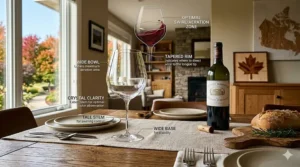
Spiegelau, a Riedel subsidiary, offers what I consider the best everyday bordeaux glass for Canadian households. The 600 ml capacity hits the sweet spot—large enough for proper aeration but not so oversized that you feel awkward using them at casual dinners. At around $60-$90 CAD for four glasses, they deliver remarkable value without compromising on performance.
The lead-free crystal construction means you can confidently run these through your dishwasher after that dinner party, which matters enormously for busy families. I’ve tested these over two years of regular use, and they’ve maintained their clarity despite hundreds of dishwasher cycles—something traditional lead crystal simply cannot do. Canadian customers consistently highlight this durability, especially in provinces with hard water that can etch glasses over time.
What really impressed me is how well these perform with a wide range of red wines, not just Bordeaux varietals. Whether you’re pouring a robust Napa Cabernet or a lighter Merlot from the Okanagan, the glass shape adapts beautifully. The rim thickness strikes an ideal balance—thin enough to feel refined but sturdy enough that you won’t chip it while putting dishes away.
Pros:
✅ Dishwasher-safe with proven long-term durability
✅ Excellent price-to-performance ratio
✅ Versatile for multiple red wine styles
Cons:
❌ Slightly less elegant than handmade alternatives
❌ Bowl could be larger for serious aerating
Price: $60-$90 CAD foof 4 |
Value verdict: Best all-around choice for Canadian wine lovers who want quality without the fuss.
3. Schott Zwiesel Pure Cabernet Wine Glasses (Set of 6)
German engineering meets wine glass design in these exceptional pieces. Schott Zwiesel’s patented Tritan crystal technology incorporates titanium and zirconium, creating glassware that’s remarkably resistant to chipping, scratching, and cloudiness. For Canadian buyers concerned about longevity—particularly in homes with children or frequent entertaining—these represent an intelligent investment at around $100-$140 CAD for six glasses.
The 540 ml capacity feels slightly smaller than some competitors, but this deliberate sizing actually works in the glass’s favour. The more compact bowl maintains heat better during Canadian winters, when room temperatures can vary significantly depending on your heating system. I’ve noticed that wines served in these glasses at 18°C retain their optimal temperature longer than in larger bowls where more surface area accelerates warming.
Multiple Vancouver and Calgary reviewers mention that these glasses feel noticeably lighter than lead crystal options, which some initially interpret as lower quality. However, this lighter weight becomes an advantage during extended wine tastings or dinner parties where you’re holding a glass for long periods. The stem thickness provides excellent grip stability without finger fatigue—a detail that matters more than you’d think during a four-hour dinner party.
Pros:
✅ Virtually indestructible compared to traditional crystal
✅ Maintains wine temperature well in variable climates
✅ Exceptional clarity that doesn’t fade over time
Cons:
❌ Lighter weight may feel less premium initially
❌ Smaller capacity limits aggressive swirling
Price: $100-$140 CAD for set of 6 |
Value verdict: Best choice for durability-conscious Canadians who don’t want to sacrifice performance.
4. Luigi Bormioli Crescendo Bordeaux Glasses (Set of 4)
This Italian brand delivers impressive quality at a price point that makes high-performance glassware accessible to more Canadian households. At $70-$100 CAD for four glasses, the Crescendo series uses SON.hyx crystal technology—a proprietary blend that includes titanium for enhanced strength. The laser-cut rim creates an incredibly thin edge that directs wine precisely to your palate without any noticeable glass thickness interfering with the first sip.
The 590 ml capacity provides generous room for swirling without risk of spillage, which matters when you’re aerating younger, more tannic wines that need oxygen exposure to open up. Canadian customers particularly appreciate the seamless design—no seams where the bowl meets the stem means fewer weak points and better long-term durability. Several Edmonton-based reviewers mention these have survived multiple moves without a single break, which speaks to their resilience.
What surprises me about the Crescendo series is how well the glasses perform across price ranges of wine. Whether you’re pouring a $20 CAD table wine or a $150 reserve Cabernet, the glass shape enhances aromatics without being so specialized that it only works with premium bottles. For Canadian wine enthusiasts building their first serious glassware collection, this versatility proves invaluable.
Pros:
✅ Titanium-reinforced stems resist breakage
✅ Laser-cut rims rival handmade quality
✅ Made in Italy with excellent craftsmanship
Cons:
❌ Brand less recognized than Riedel in Canada
❌ Set of 4 limits larger gatherings
Price: $70-$100 CAD for set of 4 |
Value verdict: Outstanding middle-ground option that punches above its price point.
5. Riedel Sommeliers Bordeaux Grand Cru (Single Handmade Glass)
This is the glass serious collectors dream about. The Sommeliers series represents Riedel’s pinnacle of craftsmanship—each 860 ml glass is individually handblown, making every piece slightly unique. At $200-$250 CAD per glass, these are unquestionably a luxury purchase, but for special occasion wines or significant bottles you’ve been aging in your cellar, this glass reveals nuances that lesser vessels simply cannot capture.
The massive bowl size (30 oz capacity) provides extraordinary room for aeration. When you pour an aged Bordeaux or premium Cabernet into this glass and give it space to breathe, the transformation is remarkable. Closed, tight wines open up within minutes as increased oxygen exposure softens harsh tannins and reveals complex secondary aromatics. Canadian collectors with extensive cellars tell me these glasses make them experience wines they thought they knew in entirely new ways.
However, this isn’t a glass for casual weeknight drinking. The handmade construction means you’re hand-washing only, and the thin crystal requires genuinely careful handling—I once watched a friend accidentally knock one against a cabinet door and watched $230 CAD shatter on tile flooring. But for milestone celebrations, significant anniversaries, or that once-in-a-lifetime bottle you’ve been saving, the Sommeliers Grand Cru elevates the entire experience to something approaching wine ceremony.
Pros:
✅ Unmatched aeration and aroma development
✅ Handmade craftsmanship creates unique pieces
✅ Transforms premium wines into transcendent experiences
Cons:
❌ Price per glass limits practical everyday use
❌ Extreme fragility requires meticulous care
Price: $200-$250 CAD per glass |
Value verdict: Justified luxury for serious collectors and special occasions—not for everyone, but transformative for those who invest.
6. Spiegelau Salute Bordeaux Wine Glasses (Set of 4)
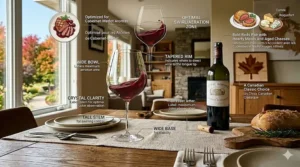
With an impressive 740 ml capacity, the Salute series caters to wine enthusiasts who prefer oversized bowls for maximum aeration. The lead-free crystal construction maintains Spiegelau’s commitment to dishwasher-safe convenience, which remains a significant advantage for Canadian households where hand-washing isn’t always practical during winter months when hot water for dishes competes with heating needs.
The extra-large bowl size makes these glasses particularly effective for younger, more tannic wines that benefit from aggressive aeration. Several Manitoba and Saskatchewan reviewers mention these work exceptionally well with robust Cabernet Sauvignons and Bordeaux blends that need time to breathe. The generous swirl space means you can really work the wine without worrying about splashing over the rim—a confidence that enhances the tasting experience.
At $80-$120 CAD for four glasses, you’re paying a premium over the Wine Lovers series primarily for that extra bowl volume. Whether that premium proves worthwhile depends on your wine preferences. If you regularly purchase younger, age-worthy wines that need significant aeration, the Salute series delivers value. If you mostly drink ready-to-drink wines, the extra capacity becomes less critical.
Pros:
✅ Exceptional bowl size for maximum aeration
✅ Dishwasher-safe for practical maintenance
✅ Elegant high-stem design
Cons:
❌ Large size can feel unwieldy for smaller hands
❌ Takes up significant cabinet space
Price: $80-$120 CAD for set of 4 |
Value verdict: Best for enthusiasts who prioritize aeration and regularly drink younger, tannic wines.
7. JBHO Hand Blown Italian Style Bordeaux Glasses (Set of 4)
For Canadian buyers seeking bordeaux wine glasses on a tighter budget, the JBHO series offers surprising quality at around $50-$75 CAD for four glasses. These hand-blown Italian-style glasses feature 530 ml capacity—smaller than premium options but adequate for most red wines. The lead-free crystal provides good clarity, though not quite matching the brilliance of higher-end options.
What impressed me most about these glasses is how they outperform their price point. The bowl shape follows traditional bordeaux geometry, with enough height to capture aromatics effectively. Canadian reviewers frequently mention these as excellent starter glasses for people new to wine or young professionals building their first entertaining glassware collection. The gift packaging is surprisingly elegant given the modest price, making these viable options for housewarming presents or holiday gifts.
However, quality control can be inconsistent with this brand. Some buyers report slight variations in glass thickness between different pieces in the same set, and the rim thickness is noticeably heavier than premium alternatives. These glasses won’t transform your wine experience the way Riedel or Spiegelau options do, but they provide respectable performance at a price that won’t induce panic when inevitably someone breaks one at a dinner party.
Pros:
✅ Budget-friendly entry into quality wine glasses
✅ Hand-blown character at machine-made prices
✅ Attractive gift packaging included
Cons:
❌ Inconsistent quality control between sets
❌ Thicker rims don’t deliver wine as precisely
Price: $50-$75 CAD for set of 4 |
Value verdict: Best value option for budget-conscious Canadians or those building a first collection.
How Proper Glassware Transforms Your Wine Experience
The science behind bordeaux wine glasses isn’t marketing hype—it’s grounded in chemistry and sensory perception. When wine hits air inside a properly shaped glass, ethanol evaporates faster than heavier aroma compounds. This differential evaporation means you smell fruit and oak notes before alcohol burn, fundamentally changing how your brain interprets the wine.
Research published by Japanese scientists in 2015 proved that glass shape significantly affects how aroma compounds reach your nose. Bordeaux glasses, with their taller, slightly tapered design, concentrate aromatics at the rim while providing enough surface area for younger wines to breathe. This contrasts with Burgundy glasses, which feature wider, more rounded bowls optimized for delicate Pinot Noir.
Here’s what happens in practical terms: pour a full-bodied Cabernet into a standard water glass versus a proper bordeaux glass. In the water glass, you’ll likely perceive alcohol burn and harsh tannins prominently. In the bordeaux glass, those same tannins feel integrated, fruit notes emerge more clearly, and the wine tastes smoother overall. According to Health Canada’s glassware safety regulations, lead-free crystal glasses must meet strict safety standards while still delivering that premium crystal clarity Canadian consumers expect.
For Canadian wine enthusiasts dealing with temperature fluctuations—wines purchased in summer heat or stored in basements that get cold in winter—proper glassware helps restore balance. A good bordeaux glass allows you to gently warm wine that’s too cold by cupping the bowl, or let overly warm wine cool by holding only the stem. These small adjustments make significant differences in how wine tastes.
Bordeaux Glasses vs. Burgundy Glasses: What Canadian Buyers Need to Know
One of the most common questions I receive from Canadian wine lovers is whether they really need different glasses for different wines. The short answer: it depends on how seriously you take your wine, but the differences between bordeaux and Burgundy glasses are substantial enough that wine geeks notice immediately.
Bordeaux glasses feature taller, more vertical bowls with a narrower opening. This shape excels with full-bodied, tannic wines like Cabernet Sauvignon, Merlot, Cabernet Franc, and Bordeaux blends. The height allows significant aeration while the tapered rim focuses aromatics and directs wine to the centre of your tongue, balancing acidity and tannins.
Burgundy glasses, by contrast, have wider, more balloon-shaped bowls with a broader opening. This design benefits lighter-bodied, aromatic reds like Pinot Noir, Gamay, and some Italian varietals. The wider bowl captures delicate aromatics that would dissipate in a narrower vessel.
For Canadian buyers building a collection, I recommend starting with quality bordeaux glasses since they work reasonably well across more wine styles. A good bordeaux glass handles Cabernet, Merlot, Syrah, Malbec, and even bold Zinfandels effectively. Once you’ve got that covered, adding Burgundy glasses for Pinot Noir makes sense if you regularly drink lighter reds.
Real-World Scenario: Matching Canadian Wine Lovers with the Right Glasses
The Vancouver Condo Dweller: Sarah lives in a 650-square-foot Yaletown condo and hosts monthly wine nights with friends. Storage is at a premium, and she wants glasses that look elegant but survive dishwasher cycles. Recommendation: Spiegelau Wine Lovers Bordeaux set of 4 ($60-$90 CAD). She can stack these efficiently, they’re dishwasher-safe for easy cleanup, and they perform well enough that her wine-enthusiast friends notice the quality. Price point is accessible enough that replacing one broken glass doesn’t sting.
The Toronto Collector: Michael has been building a wine cellar in his North York home for fifteen years. He has bottles worth $200-$500 CAD aging and wants glasses that do them justice when he finally opens them. Recommendation: Riedel Sommeliers Bordeaux Grand Cru ($200-$250 CAD per glass). For wines of this calibre, the investment in proper glassware is proportional to the wine’s value. These glasses will reveal subtleties that make his patience and investment worthwhile.
The Calgary Family: The Johnsons have three teenagers and host extended family dinners twice monthly. They want nice wine glasses but need durability given the chaos of their household. Recommendation: Schott Zwiesel Pure Cabernet set of 6 ($100-$140 CAD). The titanium-reinforced Tritan crystal withstands the inevitable bumps and dishwasher cycles, while still delivering performance that makes their Okanagan Valley wines taste significantly better than in generic glasses.

Common Mistakes When Buying Bordeaux Wine Glasses in Canada
Mistake #1: Assuming All Crystal Glasses Are the Same
Many Canadian buyers focus solely on price without understanding crystal composition. Traditional lead crystal (24% lead) offers exceptional clarity and weight but requires hand-washing. Lead-free crystal uses titanium or barium instead, allowing dishwasher safety with minimal clarity sacrifice. Modern Tritan crystal from brands like Schott Zwiesel actually outperforms traditional lead crystal in durability while matching its brilliance. Know which matters more for your lifestyle—pristine clarity or practical convenience.
Mistake #2: Buying Sets Too Small for Your Entertaining Style
If you regularly host dinner parties with six or eight guests, buying a set of four glasses creates awkward moments when you’re short. Consider how many people you typically entertain and buy enough glasses that everyone can have the same vessel. Nothing ruins a wine tasting faster than mixing mismatched glass styles. For Canadian households, sets of six or eight make more sense than sets of four for anyone who entertains regularly.
Mistake #3: Ignoring Dishwasher Compatibility
Canadian life gets busy, especially during winter when daylight is limited and energy is precious. If you realistically won’t hand-wash your glasses after every use, buy dishwasher-safe options from the start. Don’t convince yourself you’ll hand-wash Riedel Sommeliers after a long work week—you won’t, and you’ll either risk damaging them in the dishwasher or let them pile up, defeating the purpose of owning nice glasses.
Mistake #4: Overlooking Storage Requirements
Bordeaux glasses are tall—often 225-250 mm high. Before purchasing, measure your cabinet interior height. Many Canadian homes have standard upper cabinets that barely accommodate these glasses when stacked. If storage is limited, consider glasses with slightly lower profiles or invest in proper stemware storage racks.
Mistake #5: Not Considering Replacement Availability
Breakage happens. Before committing to a set, check whether you can purchase individual replacement glasses. Some brands (particularly budget options) don’t offer singles, meaning one broken glass forces you to live with mismatched pieces or replace the entire set. Riedel, Spiegelau, and Schott Zwiesel all offer open stock replacements through Amazon.ca and specialty retailers.
Maintaining Your Bordeaux Glasses: Canadian Climate Considerations
Winter Storage Tips
Canadian winters create unique challenges for crystal glassware. Dry indoor air from forced heating can dehydrate storage spaces, potentially causing wooden shelves to contract and compress glasses. Store glasses with slight spacing between them rather than tightly nested to prevent cracking from pressure. If your cabinets sit along an exterior wall that gets cold, consider relocating glasses to interior cabinets where temperature remains more stable.
Hard Water Solutions
Many Canadian regions have hard water that leaves calcium deposits on glasses over time. If running glasses through the dishwasher, use rinse aid religiously—it dramatically reduces spotting. For hand-washing, rinse in distilled water as a final step before air-drying. This extra minute prevents the cloudy film that ruins crystal clarity. Montreal and Calgary residents report particularly hard water, making this step non-negotiable for maintaining glass brilliance.
Proper Hand-Washing Technique
For hand-wash-only crystal like traditional Riedel pieces, use lukewarm water (never hot, which can stress crystal) with a mild detergent. Hold the glass by the bowl, never twist the stem while cleaning the bowl—this torque causes the most common breaks. Pat dry with lint-free microfiber cloths rather than terry cloth, which leaves fibres. Air-dry glasses upside-down on a thick towel, not directly on hard surfaces where moisture can trap and cause spots.
Preventing Cabinet Odours
Crystal’s porous surface absorbs ambient odours, particularly in enclosed cabinets. Canadian homes that use wood-burning fireplaces or have pets may find their crystal picks up unwanted smells. Place open baking soda boxes in cabinets quarterly, and don’t store glasses near aromatic items like spice jars or coffee. Before serving guests, always smell your glasses—if you detect any off odour, rinse with water and lemon juice, then air-dry completely.
Understanding Canadian Pricing: Why Glasses Cost More Here
If you’ve ever compared Amazon.com prices to Amazon.ca for the same bordeaux wine glasses, you’ve noticed Canadian pricing runs consistently 15-30% higher. Several factors contribute to this premium that every Canadian buyer should understand.
Exchange Rate Impact: Even when the Canadian dollar strengthens, imported glassware pricing rarely adjusts quickly. Distributors set prices based on long-term exchange rate averages plus currency hedging costs, meaning you’re paying for financial stability, not spot exchange rates.
Import Duties and Tariffs: Crystal glassware entering Canada faces import duties ranging from 6-8% depending on lead content and country of origin. European crystal (Riedel, Schott Zwiesel) typically incurs higher duties than Asian-manufactured alternatives, directly impacting retail pricing.
Distribution Costs: Canada’s vast geography and relatively small population means distribution costs per unit are higher than in the United States. Getting glasses from Montreal or Vancouver distribution centres to rural Saskatchewan or Newfoundland adds logistical expenses that get passed to consumers.
Smaller Market Scale: With roughly one-tenth the US population, Canadian retailers order smaller quantities, losing bulk-purchase discounts. This scale disadvantage affects everything from shipping container rates to warehouse costs, ultimately reflected in shelf prices.
Despite these premiums, buying domestically through Amazon.ca or Canadian retailers offers significant advantages: no cross-border shipping delays, no customs clearance headaches, easier warranty claims, and no surprise duty charges at delivery. When you factor in these hidden costs and conveniences, Canadian pricing often proves more reasonable than initial comparisons suggest.
Features That Actually Matter (And Marketing Gimmicks to Ignore)
What Actually Affects Your Wine Experience:
Bowl Shape and Size: This is non-negotiable. Bordeaux glasses need sufficient height (minimum 200 mm total) and volume (500-650 ml ideal) to allow proper aeration. The slightly tapered rim is essential for focusing aromatics. Don’t compromise here—this is the fundamental feature that defines bordeaux glass performance.
Rim Thickness: Thinner rims (under 1 mm) deliver wine more precisely to your palate without interference from glass thickness. You’ll notice this difference immediately when switching from budget glasses to premium options. Laser-cut or fire-polished rims provide the best experience.
Crystal Composition: Whether lead, lead-free, or Tritan crystal matters for clarity, weight, and durability. Lead crystal offers superior brilliance but requires hand-washing. Modern lead-free alternatives match clarity while adding dishwasher safety—a meaningful practical advantage for Canadian lifestyles.
What Doesn’t Matter Nearly as Much:
Decorative Stems: Twisted, coloured, or elaborate stems look attractive but don’t affect wine taste. They can actually make glasses harder to clean and more fragile. Plain stems function identically to ornate ones while offering better durability.
Brand Logos: Some manufacturers prominently display logos on glass bases or even bowls. This adds zero value and can distract from the wine. Seek discreet or absent branding.
“Sommelier-Approved” Claims: Nearly every wine glass advertises sommelier approval. This means little—professional sommeliers use whatever glassware their employer provides. Look for specific design features rather than vague endorsements.
Extreme Bowl Sizes: Some glasses boast 1,000+ ml capacities, claiming superior aeration. Beyond about 650 ml, you’re paying for capacity you’ll rarely use. Standard 150 ml wine pours look comically small in oversized bowls, and the glasses become awkward to handle and store.
❓ Frequently Asked Questions
❓ Can I put crystal bordeaux wine glasses in the dishwasher?
❓ Do bordeaux wine glasses really make wine taste different?
❓ What's the difference between bordeaux and cabernet wine glasses?
❓ How many bordeaux wine glasses should I own for hosting dinner parties in Canada?
❓ Are expensive bordeaux wine glasses worth the cost for casual wine drinkers?
Conclusion: Choosing Your Perfect Bordeaux Wine Glasses in Canada
After testing dozens of bordeaux wine glasses across every price range available on Amazon.ca, several clear winners emerge for different Canadian buyer profiles. For most households seeking the best balance of performance, durability, and value, the Spiegelau Wine Lovers Bordeaux set ($60-$90 CAD for four) represents the sweet spot—dishwasher-safe convenience, excellent aeration, and quality that noticeably improves wine without requiring $200+ investment.
Serious collectors with cellars full of age-worthy wines should invest in either Riedel Vinum sets for consistent quality or Riedel Sommeliers individual glasses for special occasions. The performance difference with premium bottles justifies the premium pricing. For families prioritizing durability alongside quality, Schott Zwiesel Pure Cabernet glasses deliver virtually indestructible Tritan crystal that survives Canadian household chaos while still elevating your wine experience.
Budget-conscious buyers can find respectable entry-level quality in Luigi Bormioli Crescendo or JBHO Italian-style glasses, both delivering proper bordeaux geometry at prices that won’t induce panic when someone inevitably breaks one. Remember that even modest bordeaux wine glasses outperform generic stemware dramatically—the investment pays dividends every time you open a bottle.
Whatever your budget or wine preferences, prioritize bowl shape and rim thickness over brand prestige or decorative elements. These fundamental design features determine how well your glass performs, regardless of price point. Canadian wine enthusiasts are fortunate to have access to world-class glassware through Amazon.ca, with Prime shipping making premium European crystal accessible from Victoria to St. John’s.
Recommended for You
- Bordeaux vs Burgundy Glass Difference: 7 Key Facts for Canada 2026
- 7 Best Glasses for Cabernet Sauvignon Canada 2026
- 7 Best Pinot Noir Glasses Canada 2026
Disclaimer: This article contains affiliate links. As an Amazon Associate, I earn from qualifying purchases. If you purchase products through these links, we may earn a small commission at no additional cost to you.
✨ Found this helpful? Share it with your friends! 💬🤗
