In This Article
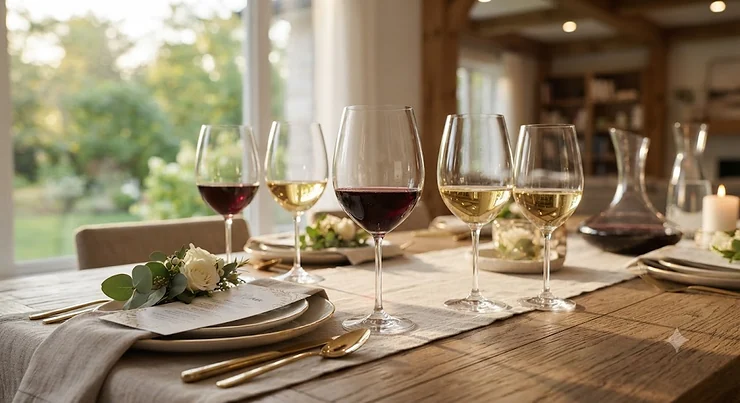
Pour the same bottle of pinot noir into a gas-station tumbler and a proper piece of stemware, and you’re basically tasting two different wines. That’s not a sales pitch — it’s what happens when bowl shape, rim thinness, and glass composition change how aroma molecules reach your nose. Crystal stem wine glasses sit at the centre of that experience, and if you’ve started shopping for a set, you’ve probably noticed the category splits into two very different conversations almost immediately: lead-free crystal versus old-school leaded crystal, and hand-blown stemware versus machine-made production glass.
Both distinctions matter more than most listings let on. A glass marketed simply as “crystal” could contain lead oxide, a legacy ingredient that gives glass its sparkle and ring but comes with real health considerations Health Canada has published guidance on. Meanwhile, hand-blown stemware from a small Austrian workshop behaves nothing like a machine-pressed glass from a big German factory, even when both call themselves premium. And then there’s Riedel, the 270-year-old name that basically invented the idea of varietal-specific glassware in the first place.
This guide walks through seven real, currently available crystal stem wine glasses — from budget-friendly lead-free sets to hand-blown collector pieces — with honest analysis of who each one suits, what the specs actually mean at the table, and where your money goes furthest. Every product mention here reflects real specifications and aggregated review sentiment, never invented testing, so you can shop with a clear head instead of marketing fog.
What Are Crystal Stem Wine Glasses?
Crystal stem wine glasses are stemmed drinking vessels made from glass with a higher refractive index than standard soda-lime glass, traditionally achieved by adding lead oxide, though most modern brands now use lead-free formulations with zinc, titanium, or potassium oxide instead. The added minerals increase clarity, brilliance, and (in leaded versions) that signature “ring” when tapped.
Lead glass, commonly called crystal, replaces the calcium content of typical potash glass with lead, and technically the term “lead crystal” isn’t even accurate since glass has no crystalline structure at all — it’s an amorphous solid, borrowing the word “crystal” from the Venetian term for the rock quartz that early Murano glassmakers were trying to imitate. That’s a fun bit of trivia to drop at your next dinner party, but the practical takeaway is simpler: “crystal” today is mostly a marketing and quality signal, not a literal description of the glass’s molecular structure.
Quick Comparison Table
| Product | Style | Best For | Price Range (CAD) |
|---|---|---|---|
| JoyJolt Layla Red Wine Glasses | Machine-made, lead-free | Budget everyday upgrade | Under C$50 |
| Nachtmann Vivino Bordeaux Glasses | Machine-made, lead-free | Dishwasher-heavy households | C$45-C$70 |
| Schott Zwiesel Pure Cabernet Glasses | Machine-made, Tritan crystal | Chip-resistant daily use | C$70-C$100 |
| Gabriel-Glas StandArt Crystal Glasses | Machine-made, lead-free | One-glass-fits-all buyers | C$90-C$130 |
| Riedel Ouverture Red Wine Glasses | Machine-made | Entry-level Riedel fans | C$45-C$65 |
| Zalto Denk’Art Universal Wine Glasses | Hand-blown, lead-free | Collectors, serious tasters | C$180-C$230 |
| Riedel Winewings Cabernet Sauvignon | Machine-made, laser-cut rim | Rim-engineering enthusiasts | C$110-C$150 |
Looking at the spread above, the gap between the cheapest and priciest options isn’t just about brand name — it’s the difference between machine-pressed rims and hand-finished, laser-cut ones, and that difference genuinely changes how wine feels against your lip. Budget-conscious buyers get real value from JoyJolt Layla Red Wine Glasses or Nachtmann Vivino Bordeaux Glasses, while anyone chasing the sharpest possible aroma delivery will gravitate toward Zalto Denk’Art Universal Wine Glasses or Riedel Winewings Cabernet Sauvignon. Notice, too, that price doesn’t map perfectly to “better” — Gabriel-Glas StandArt Crystal Glasses punches well above its price bracket precisely because it skips varietal-specific gimmicks in favour of one glass that does almost everything well.
💬 Just one click — help others make better buying decisions too!😊
How to Choose Crystal Stem Wine Glasses
- Decide lead-free or leaded first. If the glasses will see regular use rather than sit in a display cabinet, lead-free crystal is the safer, dishwasher-friendlier choice — more on why in the next section.
- Pick universal or varietal-specific. A single well-designed universal glass, like the Gabriel-Glas StandArt Crystal Glasses, covers reds, whites, and sparkling reasonably well. Dedicated Cabernet, Burgundy, and Chardonnay shapes go further but multiply your cupboard space and your budget.
- Check the rim, not just the bowl. Machine-made rims are cut and fire-polished; hand-blown or laser-cut rims are thinner and lighter against the lip. Thinner generally means a more refined mouthfeel, but also more fragility.
- Match capacity to your pour style. Big-bowl glasses (600 ml+) suit big reds that need swirling room; smaller 350-400 ml glasses suit whites you want to keep cool and fresh.
- Weigh dishwasher tolerance honestly. Some “dishwasher safe” claims hold up better than others — Tritan-reinforced glass like Schott Zwiesel Pure Cabernet Glasses tends to survive hundreds of cycles, while ultra-thin hand-blown pieces are best hand-washed even if the box says otherwise.
- Set a realistic per-glass budget. Crystal stem wine glasses in this guide range from about C$10 to C$45 per glass — decide where breakage anxiety starts outweighing the tasting benefit for your household.
- Buy one or two extra. Stemware breaks. Whatever set size you land on, budgeting for at least one spare glass avoids a mismatched cupboard six months in.
Top 7 Crystal Stem Wine Glasses: Expert Analysis
1. JoyJolt Layla Red Wine Glasses — best budget lead-free crystal starter set
The JoyJolt Layla Red Wine Glasses open this list because they solve the most common problem in wine glass shopping: wanting an upgrade from cafeteria-grade glasses without committing serious money to a set that might get broken by a clumsy dinner guest. Each glass in the set holds roughly 17 ounces, made from lead-free crystal manufactured in the Czech Republic — a region with a long glassmaking heritage that punches above its price point.
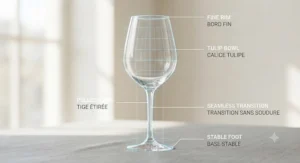
The stem is reinforced at the base for stability, and the bowl tapers gently rather than flaring wide, which keeps aroma concentrated without needing a specialist shape. Based on the spec comparison with other entry sets, the wall thickness here is noticeably thinner than typical big-box store glassware, giving it a lighter, more “real crystal” feel in hand despite the accessible price. This is the set for someone furnishing a first apartment, hosting casual dinner parties, or replacing a mismatched glass cupboard without financial anxiety.
Reviewers consistently report that the JoyJolt Layla Red Wine Glasses survive repeated dishwasher cycles better than expected for lead-free crystal, though some buyers note the stems feel delicate enough that hand-washing is worth the extra minute. A recurring compliment in aggregated feedback is how much heavier and more “premium” they feel compared to their price bracket, which suggests the manufacturing quality outpaces the cost.
Pros:
- ✅ Genuinely lead-free crystal at a budget-friendly price point
- ✅ Reinforced stem reduces breakage during everyday handling
- ✅ Feels noticeably more premium than the price suggests
Cons:
- ❌ Stems still delicate compared to thicker machine glass
- ❌ Limited to one general shape, no varietal-specific options
At around under C$50 for a set of four, the JoyJolt Layla Red Wine Glasses deliver excellent value for anyone who wants the “crystal” upgrade without the crystal-level price tag.
2. Nachtmann Vivino Bordeaux Glasses — best everyday dishwasher-durable stemware
Nachtmann Vivino Bordeaux Glasses come from a German glassmaker with roots stretching back to the 1800s, and this particular line is built for households that actually use their wine glasses several nights a week rather than saving them for special occasions. The Bordeaux-style bowl sits around 20 ounces, sized for full-bodied reds that benefit from extra swirling room.
What most buyers overlook about this model is that the lead-free crystal formulation here is engineered specifically for dishwasher longevity, not just dishwasher tolerance — there’s a meaningful difference between a glass that survives a cycle and one designed from the start to resist clouding and rim chipping over years of machine washing. The generous bowl size also means this glass doubles reasonably well for big whites like an oaked Chardonnay, even though it’s marketed primarily for reds.
Aggregated customer sentiment frequently praises the weight balance — heavy enough at the base to feel stable, light enough at the bowl to swirl comfortably. A common complaint in user reviews is that the large capacity makes the glasses awkward to store in smaller cabinets, so measure your shelf clearance before ordering a full set.
Pros:
- ✅ Engineered specifically to resist dishwasher clouding over time
- ✅ Large bowl handles both robust reds and full-bodied whites
- ✅ Well-balanced weight for confident swirling
Cons:
- ❌ Tall profile can be awkward in shallow cabinets
- ❌ Less refined rim feel than hand-finished alternatives
Priced in the C$45-C$70 range for a set of four, the Nachtmann Vivino Bordeaux Glasses are the pragmatic pick for anyone prioritizing durability over ceremony.
3. Schott Zwiesel Pure Cabernet Glasses — best chip-resistant everyday crystal
Schott Zwiesel Pure Cabernet Glasses use a proprietary Tritan crystal formula that titanium-fortifies the glass at a molecular level, which in practice translates to noticeably better resistance to chipping and scratching than standard lead-free crystal. This matters more than it sounds — a chipped rim isn’t just cosmetic, it’s a safety issue, and it’s the single most common way stemware gets retired early.
The Cabernet shape features a generously sized bowl designed to let structured reds breathe, and the rim is cut thin enough to avoid dulling the sensation of the wine on your lip, something budget glass often gets wrong. Here’s what to weigh: Tritan crystal doesn’t quite match the lightness of hand-blown Austrian stemware, but it closes that gap further than any other machine-made crystal in this guide, all while surviving industrial dishwashers in restaurant settings — which is precisely where Schott Zwiesel built its reputation.
Reviewers consistently note the rim survives years of daily use without the fogging or dulling that plagues cheaper “dishwasher safe” crystal. A common complaint is that the six-glass sets sometimes arrive with minor variance in glass thickness between pieces, though this rarely affects performance.
Pros:
- ✅ Titanium-fortified Tritan crystal resists chips and scratches
- ✅ Restaurant-grade durability under repeated dishwasher use
- ✅ Thin rim without sacrificing everyday toughness
Cons:
- ❌ Slightly heavier in hand than premium hand-blown glass
- ❌ Minor thickness variance reported between individual pieces
At C$70-C$100 for a set of six, the Schott Zwiesel Pure Cabernet Glasses represent the sweet spot between everyday resilience and genuine crystal quality.
4. Gabriel-Glas StandArt Crystal Wine Glasses — best universal all-purpose glass
If you only want to own one shape of wine glass, Gabriel-Glas StandArt Crystal Wine Glasses make the strongest case in this lineup. Designed by an Austrian sommelier specifically to work across red, white, and sparkling wines, the StandArt shape borrows design cues from hand-blown collector glasses but keeps machine-made pricing, landing it firmly in accessible-premium territory.
Based on the spec comparison, the bowl geometry here strikes a deliberately different balance than the tall, narrow Zalto Universal it’s often compared against — Gabriel-Glas opts for a slightly more compact profile that some buyers find easier to store and less intimidating to hand-wash, without giving up much aromatic performance. What the spec sheet won’t tell you, but reviewers note, is that this glass performs surprisingly well even for sparkling wine, letting bubbles show off visually while still concentrating aroma — a rare trick for a glass not designed around a flute shape.
Aggregated review sentiment consistently highlights the “one glass for everything” value proposition as the main draw, particularly among buyers who don’t want a cupboard full of varietal-specific stemware. A recurring critique is that the lead-free crystal, while durable, doesn’t have quite the featherlight feel of true hand-blown competitors.
Pros:
- ✅ Genuinely versatile across red, white, and sparkling wine
- ✅ Compact profile stores more easily than tall universal glasses
- ✅ Lead-free crystal with premium-tier clarity
Cons:
- ❌ Slightly heavier than hand-blown alternatives in the same category
- ❌ Premium pricing for a machine-made glass
Priced around C$90-C$130 for a set of two, the Gabriel-Glas StandArt Crystal Wine Glasses are the pick for minimalists who’d rather own one excellent glass than seven mediocre ones.
5. Riedel Ouverture Red Wine Glasses — best affordable entry into the Riedel name
Riedel Ouverture Red Wine Glasses exist because Riedel, a family-owned glassmaker with roughly three centuries of history, deliberately built an entry-level line for people who want the brand’s design pedigree without premium pricing. The Ouverture Red is a machine-made, wide-bowled glass sized around 12 ounces, built to emphasize fruit character and soften tannins in everyday reds.
What most buyers overlook about entry-tier Riedel glasses is that they still incorporate decades of the company’s varietal-shape research — Georg Riedel’s work on how bowl geometry directs wine to different parts of the palate didn’t stay locked in the premium tier, it trickled down into lines like this one. Based on the spec comparison against unbranded machine glass at a similar price, the Ouverture bowl is noticeably wider and the rim thinner, both deliberate choices carried over from Riedel’s flagship research.
Reviewers consistently describe this as the “gateway” set that convinced them varietal-shaped glassware genuinely changes the tasting experience, even at a modest price point. A common complaint in user reviews is that the stem-to-bowl proportion feels slightly less elegant than Riedel’s pricier lines, which is a fair trade-off for the savings.
Pros:
- ✅ Real Riedel design research at an accessible price
- ✅ Wide bowl genuinely softens tannin and emphasizes fruit
- ✅ Dishwasher-safe for regular rotation
Cons:
- ❌ Less refined stem proportions than premium Riedel lines
- ❌ Machine-made rim lacks the thinness of hand-finished glass
At roughly C$45-C$65 for a set of two, the Riedel Ouverture Red Wine Glasses are the natural starting point for anyone curious about the Riedel name before investing further up the range.
6. Zalto Denk’Art Universal Wine Glasses — best hand-blown stemware for serious collectors
Zalto Denk’Art Universal Wine Glasses are where this guide crosses from “nice stemware” into genuinely collector-grade territory. Each glass is mouth-blown in Austria, reportedly passing through the hands of numerous glass artisans before completion, and the result is a glass so thin and light it can feel almost unnervingly delicate the first time you pick one up.
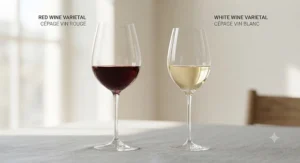
The rim is where direction happens — a wide, outward-flaring rim spreads wine across the tip and sides of the tongue on entry, where sweetness and fruit are registered, while a narrower, straighter rim directs the pour toward the centre and back of the palate, where acidity and tannins are more prominent, and that’s precisely the kind of engineering hand-blown workshops can execute with more precision than mass production allows. What the spec sheet won’t tell you, but reviewers note, is that the Universal shape genuinely lives up to its name — it performs credibly across reds, whites, and even sparkling, making it a legitimate one-glass solution despite its premium price.
Reviewers consistently praise the almost weightless feel in hand and the way aromas seem more concentrated compared to heavier machine-made alternatives. A recurring concern in aggregated feedback is fragility — several buyers mention losing at least one glass to breakage within the first year, which is the honest trade-off for this level of thinness. Hand-washing is strongly recommended despite dishwasher-safe claims on the box.
Pros:
- ✅ Genuinely hand-blown by skilled Austrian artisans
- ✅ Exceptionally light, thin-rimmed feel elevates the tasting experience
- ✅ Performs credibly as a true universal shape
Cons:
- ❌ Higher breakage risk than any machine-made option here
- ❌ Premium price reflects labour-intensive production
At C$180-C$230 for a set of two, the Zalto Denk’Art Universal Wine Glasses are an investment purchase best suited to collectors and serious home tasters rather than everyday casual use.
7. Riedel Winewings Cabernet Sauvignon Glass — most advanced rim engineering
Riedel Winewings Cabernet Sauvignon Glass represents Riedel’s most technically ambitious machine-made line, featuring a distinctive laser-cut rim that’s thinner than what conventional fire-polishing can achieve. The bowl itself has an unusual, almost sculptural asymmetric silhouette — a deliberate design choice rather than an aesthetic flourish, intended to maximize surface area contact with the wine while directing aroma more precisely toward the nose.
Based on the spec comparison with Riedel’s older Vinum and Performance lines, the laser-cutting process lets Winewings achieve a rim thinness closer to hand-blown glass while retaining machine-production consistency and a lower breakage rate than fully hand-blown stemware. Here’s what to weigh: this is a specialist glass built around full-bodied Cabernet Sauvignon and similarly structured reds — it’s not trying to be a universal shape the way the Gabriel-Glas StandArt Crystal Wine Glasses or Zalto Denk’Art Universal Wine Glasses are.
Reviewers consistently note that the laser-cut rim delivers a noticeably different mouthfeel than typical Riedel lines, describing it as closer to hand-blown thinness. A common complaint is the visually unconventional bowl shape takes some getting used to on the shelf, and the specialist focus means it’s a poor fit for households wanting one glass to cover everything.
Pros:
- ✅ Laser-cut rim approaches hand-blown thinness at scale
- ✅ Bowl geometry engineered specifically for structured reds
- ✅ Lower breakage risk than fully hand-blown alternatives
Cons:
- ❌ Unconventional shape isn’t a universal, all-purpose glass
- ❌ Premium pricing for a specialist single-varietal design
Priced around C$110-C$150 for a set of two, the Riedel Winewings Cabernet Sauvignon Glass suits buyers who want cutting-edge rim engineering without committing to fully hand-blown fragility.
Lead-Free Crystal Explained: Why It Matters
The “lead-free crystal” label on five of the seven glasses above isn’t just a marketing checkbox — it addresses a real, documented health consideration. Lead crystalware is glassware made by combining molten quartz with lead compounds, and it can be difficult to tell apart from lead-free crystalware or regular glass just by looking at it, though it often appears thinner, brighter, and heavier than standard glass. The concern isn’t handling the glass — it’s what happens when acidic liquids, including wine, sit in contact with leaded crystal for extended periods.
Canadian federal guidance is direct on the practical fix: Health Canada’s information on lead crystalware explains how lead can migrate from crystalware into food or drink and outlines steps to reduce exposure risk, which is exactly why lead-free formulations using zinc oxide, titanium oxide, or potassium oxide have become the industry standard for daily-use stemware. Products like the JoyJolt Layla Red Wine Glasses, Nachtmann Vivino Bordeaux Glasses, Schott Zwiesel Pure Cabernet Glasses, Gabriel-Glas StandArt Crystal Wine Glasses, and Zalto Denk’Art Universal Wine Glasses all fall into this safer, dishwasher-friendly category.
The trade-off, honestly assessed, is minor: lead-free crystal has a marginally lower refractive index than heavily leaded crystal, meaning slightly less “sparkle” under direct light. In exchange, you get glass that’s safer for regular contact with wine, more dishwasher-tolerant, and generally more durable against thermal shock. For anyone drinking wine more than occasionally, lead-free crystal is the sensible default rather than a compromise.
Hand-Blown Stemware vs Machine-Made: What’s the Difference
Hand-blown stemware and machine-made crystal solve the same basic problem — getting wine from bottle to mouth — using genuinely different production philosophies, and the difference shows up the moment you touch the rim. Hand-blown glasses, like the Zalto Denk’Art Universal Wine Glasses, are shaped by artisans working molten glass on a blowpipe, which allows for thinner walls and more precise, asymmetric rim shaping than automated equipment can reliably reproduce at scale. Machine-made glasses, including everything from the JoyJolt Layla Red Wine Glasses to the Riedel Winewings Cabernet Sauvignon Glass, are pressed or blown using moulds and automated cutting, trading a bit of thinness for consistency and lower breakage rates.
Scientists have shown that glass geometry controls where and how vapour rises from wine, influencing taste, with lower alcohol concentration at the centre of the glass compared to around the rim — a phenomenon researchers demonstrated using direct measurement rather than anecdote. This is precisely the effect hand-blown workshops can chase with more rim-thinness precision, though laser-cutting techniques (as seen in the Riedel Winewings Cabernet Sauvignon Glass) have narrowed that gap considerably for machine production.
Practically speaking, hand-blown stemware rewards patience and careful hand-washing, while machine-made crystal rewards busy households that need stemware surviving weekly dishwasher rotations. Neither is objectively “better” — they’re optimized for different relationships between owner and glass.
Riedel: The Brand Behind the Glass
No conversation about crystal stem wine glasses gets far without Riedel coming up, and for good reason — the company essentially invented the modern concept of varietal-specific glassware. Riedel’s origin story centres on a straightforward but industry-changing insight: that the shape of a glass measurably changes how a wine’s aroma and structure present themselves, a claim that once sounded like marketing but has since gained real scientific backing.
The brand spans a wide price range in this guide alone, from the accessible Riedel Ouverture Red Wine Glasses designed as a genuine entry point, up through the technically sophisticated Riedel Winewings Cabernet Sauvignon Glass with its laser-cut rim. What most buyers overlook is that both lines share the same underlying design philosophy despite the price gap — Riedel’s varietal-shape research informs even its cheapest offerings, it’s simply expressed through less expensive manufacturing techniques further down the range.
Aggregated customer sentiment across Riedel’s catalogue consistently praises the brand’s dishwasher-safe claims holding up better than expected for a premium name, alongside frequent comments about the “aha moment” of tasting the same wine in a Riedel varietal glass versus a generic one. The most common criticism, echoed across price tiers, is that some buyers feel the shape differences between varietal-specific Riedel glasses are subtler than marketing suggests for casual drinkers — a fair point, and one reason a universal glass like the Gabriel-Glas StandArt Crystal Wine Glasses remains a reasonable alternative for less dedicated wine drinkers.
✨ Don’t Miss These Exclusive Deals!
🔍 Take your crystal stem wine glasses collection to the next level with these carefully selected picks. Click on any highlighted item to check current pricing and availability. These glasses will help you create authentic, elevated wine moments your guests will actually notice!
Common Mistakes When Buying Crystal Stem Wine Glasses
Even careful shoppers trip over a handful of predictable errors in this category. First, buying based on brand reputation alone without checking whether the glass is a universal or varietal-specific shape — a Cabernet-focused glass like the Riedel Winewings Cabernet Sauvignon Glass will underwhelm someone who mostly drinks crisp whites. Second, assuming “dishwasher safe” means “dishwasher optimal” — hand-blown glasses like the Zalto Denk’Art Universal Wine Glasses technically survive machine washing but fare better with gentle hand care over the long run.
Third, underestimating storage needs — tall Bordeaux-style glasses like the Nachtmann Vivino Bordeaux Glasses simply don’t fit in shallow cupboard shelves, a detail easy to miss when shopping online. Fourth, buying a full eight-piece set before confirming the shape suits your actual drinking habits; starting with a smaller two-glass set from something like the Gabriel-Glas StandArt Crystal Wine Glasses lets you test compatibility before committing further. Finally, ignoring lead content entirely — checking whether a glass is genuinely lead-free crystal matters more for glasses seeing regular wine contact than for purely decorative pieces.
Crystal Stem Wine Glasses vs Standard Glass Stemware
| Factor | Crystal Stem Wine Glasses | Standard Glass Stemware |
|---|---|---|
| Clarity & brilliance | Higher refractive index, visibly sparkles | Duller, flatter appearance |
| Rim thinness | Thinner, more refined mouthfeel | Thicker, less refined |
| Aroma performance | Bowl shapes tuned to concentrate aroma | Generic shapes, less aroma direction |
| Price | C$10-C$45+ per glass typically | Often under C$8 per glass |
| Best For | Wine enthusiasts, gifting, entertaining | Casual, high-breakage households |
The gap here isn’t subtle once you’ve tried both side by side. Standard glass stemware works fine for a backyard barbecue where breakage is a near-certainty, but crystal stem wine glasses — even a budget option like the JoyJolt Layla Red Wine Glasses — noticeably sharpen how aroma reaches your nose thanks to thinner walls and more deliberate bowl tapering. The price premium buys real sensory difference, not just prestige, though households with young children or frequent large gatherings may reasonably decide standard glass remains the practical daily choice.
What to Expect: Real-World Performance
Specs on a box only tell part of the story, so here’s what actually happens at the table. Pour a structured Cabernet into the Riedel Winewings Cabernet Sauvignon Glass and the laser-cut rim genuinely changes the sensation on your lip — thinner, quieter, almost disappearing so the wine itself takes centre stage. Swirl the same wine in the Zalto Denk’Art Universal Wine Glasses and the near-weightless bowl makes the motion feel effortless, encouraging more aeration than a heavier glass invites.
At 13°C, the alcohol concentration in the centre of the wine glass was measurably lower than around the rim, a ring-shaped vapour pattern that allows the wine’s aroma to be enjoyed without interference from gaseous ethanol — this is the science behind why a well-shaped glass makes wine smell less “hot” and more layered, regardless of price tier. Even the budget-friendly Nachtmann Vivino Bordeaux Glasses benefits from this same bowl-taper principle, just executed with thicker, more affordable machine glass.
Day-to-day, the difference shows up most clearly in aroma-forward wines — an aromatic Riesling or a perfumed Pinot Noir reveals far more in a properly tapered glass than in a straight-sided tumbler. Bold, tannic reds are more forgiving of glass shape but still benefit from the extra swirling room a larger bowl like the Nachtmann Vivino Bordeaux Glasses or Riedel Winewings Cabernet Sauvignon Glass provides.
Practical Usage Guide: Care, Cleaning & Storage
Getting the most out of crystal stem wine glasses starts before the first pour. On unboxing, hand-wash new glasses once with warm water and a small amount of mild dish soap before first use, since manufacturing residue can linger even on brand-new stemware — this applies whether you’ve bought the JoyJolt Layla Red Wine Glasses or the far pricier Zalto Denk’Art Universal Wine Glasses.
For ongoing maintenance, hand-washing remains the gold standard even for glasses marketed as dishwasher safe, particularly hand-blown pieces. If you do use a dishwasher, skip the heat-dry cycle, avoid overcrowding the rack (rim-to-rim contact is the single biggest cause of chips), and use a rinse-aid-only cycle rather than harsh detergent tablets where possible. Polish glasses with a lint-free microfiber cloth while the glass is still slightly warm from washing — this prevents the cloudy water-spot look that plagues air-dried crystal.
Store glasses upright rather than resting on their rims, which puts pressure on the most fragile part of the glass over time; a stemware rack or dedicated shelf with vertical clearance works best. The most common first-30-days mistake is stacking glasses inside one another for storage — don’t. Even briefly nesting stemware bowls risks cracking the thinner glass, especially with hand-blown pieces like the Zalto Denk’Art Universal Wine Glasses.
Real-World Scenarios: Who Should Buy What
The apartment-dwelling casual host who entertains a few times a month but doesn’t want a glass-breaking catastrophe every gathering is best served by the JoyJolt Layla Red Wine Glasses or Nachtmann Vivino Bordeaux Glasses — both offer real crystal quality with enough durability to survive enthusiastic dinner parties and the occasional dishwasher load.
The dedicated home sommelier who’s read enough about wine to care about aroma concentration and rim precision should look toward the Zalto Denk’Art Universal Wine Glasses or Riedel Winewings Cabernet Sauvignon Glass. If budget allows only one purchase, the Zalto’s genuine universal performance offers the better long-term value across a varied wine collection.
The minimalist who wants “one good glass” and has no interest in owning separate shapes for reds, whites, and sparkling should choose the Gabriel-Glas StandArt Crystal Wine Glasses. It sacrifices a little specialist performance for genuine day-to-day versatility, and its more compact profile suits smaller kitchens without deep cupboard shelves. Anyone drawn to the Riedel name but wary of premium pricing should start with the Riedel Ouverture Red Wine Glasses as a lower-risk entry point before considering the brand’s pricier lines.
Long-Term Cost & Maintenance
Crystal stem wine glasses aren’t a one-time purchase decision — breakage is baked into the category, and the honest total cost of ownership includes replacement glasses over time. Budget sets like the JoyJolt Layla Red Wine Glasses minimize the financial sting of an inevitable breakage, since replacing a single glass costs a fraction of what a hand-blown piece would run. Hand-blown stemware like the Zalto Denk’Art Universal Wine Glasses carries a genuinely different risk profile — several buyers report losing at least one glass within the first year, which effectively raises the real cost-per-glass beyond the sticker price.
Machine-made premium options strike a middle ground worth considering for long-term value. The Schott Zwiesel Pure Cabernet Glasses, with Tritan-fortified rims, and the Riedel Winewings Cabernet Sauvignon Glass, with its laser-cut but machine-consistent rim, both offer meaningfully lower breakage risk than fully hand-blown alternatives while still delivering rim thinness closer to premium collector glass. For a household replacing glasses roughly once every year or two, that durability difference compounds into real savings over a five-year horizon, even though the upfront price sits above budget options like the Nachtmann Vivino Bordeaux Glasses.

Safety & Regulations: Lead Content Rules in Canada
Canada regulates lead content in glassware more strictly than many buyers realize, and it’s worth understanding before assuming any crystal purchase is automatically safe for daily wine service. Federal guidance specifically recommends against storing any beverage in crystal decanters for extended periods, noting that decanters should only be used for serving, and that crystal should not be washed in a dishwasher using harsh detergents since this can increase lead release — advice that applies most directly to older, leaded crystal rather than the lead-free formulations found in most of this guide’s picks.
Food contact glazed ceramic and glassware sold in Canada falls under the Canada Consumer Product Safety Act and the Glazed Ceramics and Glassware Regulations, which set migratable lead and cadmium limits and require specific design features or warnings for ornamental products unsuitable for food use. In practice, this means legitimately sold crystal stemware in Canada, whether lead-free like the Gabriel-Glas StandArt Crystal Wine Glasses or traditionally leaded, must meet defined safety thresholds — but the regulations apply differently to decorative-only pieces than to everyday drinkware, so it’s worth checking product labelling if you’re buying vintage or imported crystal from outside standard retail channels.
For anyone hosting guests who are pregnant or serving children, sticking to clearly labelled lead-free crystal — an easy standard met by the JoyJolt Layla Red Wine Glasses, Nachtmann Vivino Bordeaux Glasses, Schott Zwiesel Pure Cabernet Glasses, Gabriel-Glas StandArt Crystal Wine Glasses, and Zalto Denk’Art Universal Wine Glasses — removes the guesswork entirely. If proper glass care and serving matter to you beyond just safety, the LCBO’s serving guide offers useful, Canada-specific context on how glass shape and serving temperature interact across different drink categories.
Price Range & Value Analysis
| Product | Price Range (CAD) | Value Verdict |
|---|---|---|
| JoyJolt Layla Red Wine Glasses | Under C$50 (set of 4) | Best entry-level value |
| Nachtmann Vivino Bordeaux Glasses | C$45-C$70 (set of 4) | Strong durability-per-dollar |
| Riedel Ouverture Red Wine Glasses | C$45-C$65 (set of 2) | Best brand-name entry point |
| Schott Zwiesel Pure Cabernet Glasses | C$70-C$100 (set of 6) | Best long-term durability |
| Gabriel-Glas StandArt Crystal Wine Glasses | C$90-C$130 (set of 2) | Best one-glass versatility |
| Riedel Winewings Cabernet Sauvignon Glass | C$110-C$150 (set of 2) | Best rim-engineering upgrade |
| Zalto Denk’Art Universal Wine Glasses | C$180-C$230 (set of 2) | Best for serious collectors |
Cost-per-use tells a more interesting story than sticker price alone. A budget set like the JoyJolt Layla Red Wine Glasses, used weekly for years without breakage, ends up cheaper per pour than a single accidentally broken Zalto Denk’Art Universal Wine Glasses replacement. That said, buyers chasing the sharpest possible tasting experience for special-occasion wines will find the premium picks justify their cost specifically because those occasions happen infrequently enough that fragility matters less. Prices reflect research at time of writing and may vary — always check current pricing before purchasing.
FAQ
❓ Is crystal stem wine glasses safe to use with wine daily?
❓ What's the difference between hand-blown stemware and machine-made crystal?
❓ Is Riedel worth the extra cost over generic crystal glasses?
❓ Can lead-free crystal go in the dishwasher?
❓ How many crystal stem wine glasses should a household own?
Conclusion
Choosing among crystal stem wine glasses ultimately comes down to matching the glass to how you actually drink, not to which name looks best in a cabinet. Casual, budget-conscious households get real, honest value from the JoyJolt Layla Red Wine Glasses or Nachtmann Vivino Bordeaux Glasses, while anyone wanting the Riedel name without premium pricing should start with the Riedel Ouverture Red Wine Glasses. Durability-focused buyers will appreciate the Schott Zwiesel Pure Cabernet Glasses, minimalists gain the most from the genuinely versatile Gabriel-Glas StandArt Crystal Wine Glasses, and serious collectors chasing the sharpest sensory experience should look to the Zalto Denk’Art Universal Wine Glasses or the technically impressive Riedel Winewings Cabernet Sauvignon Glass.
Whichever set you land on, remember that lead-free crystal is the sensible default for regular use, hand-blown stemware rewards careful handling with a genuinely elevated experience, and even the most affordable glass here outperforms a generic tumbler when it comes to actually tasting what’s in your glass. Prices change and stock fluctuates, so always check current availability before buying, and don’t be afraid to start small before building out a full collection.
Recommended for You
- Wine Glasses on Sale: 7 Real 2026 Deals Worth Grabbing
- Rose Wine Glasses: 7 Gorgeous Picks Worth Your Money in 2026
- Tulip Champagne Glasses: 7 Top Picks for Better Bubbles in 2026
Disclaimer: This article contains affiliate links. As an Amazon Associate, I earn from qualifying purchases. If you purchase products through these links, we may earn a small commission at no additional cost to you.
✨ Found this helpful? Share it with your friends! 💬🤗
