

In This Article
Be honest. Your current wine glasses are a mismatched crew: one inherited, one freebie from a liquor-store promo, one that has survived three moves and a mildly dramatic dishwasher cycle. They get the job done. They also make a Tuesday-night pour taste a little flat.
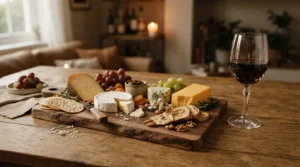
What are wine glasses for everyday use? They are sturdy, dishwasher-friendly glasses with a medium bowl that tapers gently toward the rim, so one shape handles red, white, rosé and sparkling. They are built for weeknight rotation rather than special-occasion shelf life. The best ones feel refined in the hand without making you flinch every time you load the sink.
Here is the quiet truth most glassware marketing skips. The classic bowl, stem and foot design exists for practical reasons: the stem keeps warm hands off the wine, and the bowl concentrates aroma. One well-chosen all-purpose stemware set delivers most of that benefit. You don’t need a six-shape cabinet to enjoy a bottle on a Wednesday.
So I compared seven real, widely sold options, from budget workhorses to a luxury splurge. I based the comparison on published specs and the themes that keep recurring in editorial roundups and reviewer commentary. This is analysis, not hands-on testing, and I say so where it matters. Prices are ranges in Canadian dollars, so check current prices on amazon.ca before you buy.
Quick Comparison: Wine Glasses for Everyday Use at a Glance
| Pick | Style | Typical price range (set, CAD) | Best For |
|---|---|---|---|
| Libbey Signature Kentfield Estate | Stemmed, standard glass | C$30–C$50 | Tight budgets, first apartments |
| C CREST Wine Glasses Set of 8 | Stemmed, lead-free glass, 12 oz | C$35–C$55 | Big households, frequent guests |
| Libbey Stemless Wine Glasses Set of 12 | Stemless | C$35–C$60 | Small kitchens, casual crowds |
| Schott Zwiesel Vervino All-Purpose | Stemmed, Tritan crystal glass | C$80–C$130 | Dishwasher-heavy households |
| Spiegelau Definition Universal | Stemmed, lead-free crystal | C$60–C$95 | Best balance of elegance and price |
| Gabriel-Glas StandArt | Stemmed, lead-free crystal | C$90–C$130 (pair) | Serious drinkers who want one glass |
| Zalto Denk’Art Universal | Stemmed, hand-blown crystal | C$160–C$230 (pair) | Gift-worthy upgrade, careful hands |
The table shows a pattern: you pay for thinness and shape precision, not for capacity. Libbey Stemless Wine Glasses Set of 12 and C CREST Wine Glasses Set of 8 give you the lowest cost per glass. Spiegelau Definition Universal is the point where the price curve flattens before the luxury tier. Set sizes differ, so always compare per-glass cost rather than per-set cost.
💬 Just one click — help others make better buying decisions too!😊
Top 7 Wine Glasses for Everyday Use: Expert Analysis
A quick note on method. Review sentiment below reflects themes from published roundups and reviewer commentary. I haven’t verified individual amazon.ca star ratings or review counts, so I don’t quote any. Availability of exact set sizes on amazon.ca varies by seller, so confirm the listing.
1. Libbey Signature Kentfield Estate All-Purpose Wine Glasses — cheapest dependable workhorse
The standout here is plain survivability at a price that forgives accidents. A published roundup picked it as its best budget option, and the logic holds.
The bowl is a roughly 16 oz (about 475 mL) standard-glass design in the version that roundup describes. That is comfortably big enough to swirl a proper 142 mL pour without slopping it. The glass is thicker than crystal, so it shrugs off clinks and rushed dishwasher loading.
Based on the spec comparison, this is the glass for people who want stems on the table without a second thought. It suits anyone furnishing a first place or replacing a decimated set. The trade-off is the rim. A thicker lip feels less delicate than crystal, though most casual drinkers stop noticing after a glass or two.
Reviewers and roundups tend to praise its toughness and value. The recurring caveat is that it doesn’t have a luxury feel.
Pros:
- ✅ Thick glass survives daily rotation
- ✅ Generous bowl for swirling reds
- ✅ Very low cost per glass
Cons:
- ❌ Thicker rim feels less refined
- ❌ Less aroma focus than tapered crystal
Price range: around C$30–C$50 per set at the time of research; check current price. Verdict: strong value for a first set.
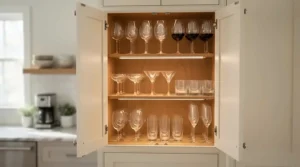
2. C CREST Wine Glasses Set of 8 — best cost per glass for crowds
Eight glasses in one box is the headline, and the maths is the point. If you host often or live with housemates, a set of eight means you stop hunting for the “clean one.”
Each glass is 12 oz and sold as lead-free glassware. That volume works for a standard pour with room to swirl, though it is smaller than the 17–19 oz bowls in some rivals. The smaller bowl suits white and rosé nicely. Big reds get a little less breathing room.
Anything sold in Canada falls under Health Canada’s Glazed Ceramics and Glassware Regulations, which cap migratable lead and cadmium. A “lead-free” label is still worth checking on the specific listing.
A roundup of everyday-entertaining options named it the best budget set, citing the number of glasses for the money. Reviewers typically value the dishwasher-friendly practicality over any romance.
Pros:
- ✅ Eight glasses means fewer laundry emergencies
- ✅ Lead-free construction stated on listing
- ✅ Light, clear, easy to replace
Cons:
- ❌ 12 oz bowl is tight for big reds
- ❌ Thin value pricing means modest finish
Price range: roughly C$35–C$55 per set; check current price. Verdict: the best bulk buy on this list.
3. Libbey Stemless Wine Glasses Set of 12 — tumbler-style for small kitchens
Stemless glasses solve one problem brilliantly: storage. No stems means they stack, fit narrow cupboards, and rarely snap.
The tumbler shape sits low and stable, which matters on a crowded coffee table or a camping trip. The catch is physics. Your palm warms the bowl, so whites and sparkling lose chill faster than in a stemmed glass. You also leave fingerprints on the bowl.
My read: a stemless set is an excellent secondary set, and an acceptable primary one if you mostly drink room-temperature reds. A roundup labelled this style best for casual gatherings, which fits.
Reviewers broadly praise how forgiving stemless glasses are, and the pack of twelve covers large parties. The commonly noted downside is fingerprints and warming.
Pros:
- ✅ Stacks neatly in compact cabinets
- ✅ Hard to snap compared with stems
- ✅ Twelve glasses cover big gatherings
Cons:
- ❌ Hand warms the wine faster
- ❌ Fingerprints show on the bowl
Price range: around C$35–C$60 per set; check current price. Verdict: smart secondary set, so-so as your only one.
4. Schott Zwiesel Vervino All-Purpose Wine Glasses — dishwasher-tough Tritan crystal
This is the pick for people who refuse to handwash. Schott Zwiesel’s Tritan crystal glass is a titanium-reinforced, lead-free formulation. The brand positions it as far more break-resistant than classic crystal.
In practice that means thin walls without the fragility anxiety. One editorial roundup named it best overall for exactly this blend of toughness and elegance. The bowl is generously sized for everyday pours of any colour.
Here is what the spec sheet won’t tell you but reviewers hint at: this glass rewards routine. Because it tolerates the dishwasher, it replaces the “good glasses I never use” problem with glasses you actually use. That makes it a strong investment for families and heavy weeknight drinkers.
Commentary generally praises its durability. The most frequent hesitation is price versus the cheap sets above.
Pros:
- ✅ Tritan crystal resists chips and snaps
- ✅ Dishwasher-friendly for real-life use
- ✅ Lead-free, polished-looking bowl
Cons:
- ❌ Costs several times more than budget sets
- ❌ Less delicate feel than mouth-blown crystal
Price range: roughly C$80–C$130 per set; check current price. Verdict: pricey but economical if it outlasts cheap replacements.
5. Spiegelau Definition Universal Wine Glasses — thin-feel crystal at a fair price
This is the sweet spot, and several roundups agree. One everyday-use guide ranked it best overall for its balance of elegance, function and price, and a long-running store favourite praised how light and thin it feels without being brittle.
The bowl runs about 19 oz (around 560 mL) per that roundup, generous enough to let a red open up. The lead-free crystal gives a finer rim than regular glass, and the sets are marketed as dishwasher-safe.
Analytically, this is the one I’d point most people toward. It occupies the gap between glass that feels functional and crystal that feels fussy. It is a good first “real” glass for anyone upgrading from a budget set.
Reviewers frequently describe it as feeling more expensive than it is. The most common caution is that it is still crystal, so don’t be careless.
Pros:
- ✅ Thin rim feels far pricier than cost
- ✅ Large bowl suits reds and whites
- ✅ Dishwasher-safe per manufacturer
Cons:
- ❌ Not as chip-proof as Tritan
- ❌ Popular, so stock can run thin
Price range: around C$60–C$95 per set; check current price. Verdict: best all-round value for most readers.

6. Gabriel-Glas StandArt — one glass built for every wine
Gabriel-Glas designed this around a single idea: one shape for every wine style. Multiple roundups list it as a top universal pick, and discussion threads reportedly call it the best value-to-quality ratio among premium glasses.
The machine-made lead-free crystal is thin and the bowl tapers in a way that captures aroma without exaggerating it. The pricier mouth-blown line is a separate model, so check which version a listing sells. The StandArt is the sensible one for daily use.
Health Canada notes that lead crystal can leach lead into drinks, with risk rising the longer a beverage sits in it. That is why Health Canada’s lead crystalware guidance is worth reading before you buy any crystal. A lead-free glass like this one sidesteps the issue.
Reviewers who prefer fewer, better glasses treat it as a permanent set. Hand-washing is sometimes recommended for longevity.
Pros:
- ✅ Elegant one-shape design for all wines
- ✅ Lead-free crystal with fine rim
- ✅ Often praised as premium-tier value
Cons:
- ❌ Pair pricing adds up for large sets
- ❌ Needs gentler handling than glass
Price range: roughly C$90–C$130 per pair; check current price. Verdict: premium-tier pick for committed enthusiasts.
7. Zalto Denk’Art Universal — featherlight luxury, handle with care
This is the glass wine geeks whisper about. Roundups call the Zalto Denk’Art Universal the top luxury universal pick.
It is hand-blown, extremely light, and paper-thin at the rim. That delivers a startlingly delicate drinking experience, but it is not a clumsy-guest glass. Based on the spec comparison, it rewards owners who wash by hand and store carefully.
Honestly, it is the least “everyday” item here in terms of risk. If your idea of daily use includes a toddler, a busy sink and a dishwasher, choose Schott Zwiesel Vervino All-Purpose instead. If you cook slowly, pour carefully and want one beautiful glass, it is a treat.
Reviewers consistently cite the elegance and, just as consistently, the fragility. Treat it as a long-term investment, not a bulk buy.
Pros:
- ✅ Exceptionally light and elegant in hand
- ✅ Hand-blown, thin rim enhances aroma
- ✅ Works across red, white and sparkling
Cons:
- ❌ Fragile, so hand-wash recommended
- ❌ Highest cost per glass here
Price range: around C$160–C$230 per pair; check current price. Verdict: gorgeous, but only for careful households.
Spec and Review Snapshot
| Pick | Material | Care | Durability | Review theme |
|---|---|---|---|---|
| Libbey Signature Kentfield Estate | Standard glass | Dishwasher-friendly | High | Tough and cheap |
| C CREST Wine Glasses Set of 8 | Lead-free glass | Dishwasher-friendly | Medium-high | Value in bulk |
| Libbey Stemless Wine Glasses Set of 12 | Standard glass | Dishwasher-friendly | High | Casual and practical |
| Schott Zwiesel Vervino All-Purpose | Tritan crystal glass | Dishwasher-friendly | High | Elegant and durable |
| Spiegelau Definition Universal | Lead-free crystal | Dishwasher-safe (per maker) | Medium | Looks pricier than it is |
| Gabriel-Glas StandArt | Lead-free crystal | Gentle wash advised | Medium | Premium value |
| Zalto Denk’Art Universal | Hand-blown crystal | Hand-wash advised | Low | Beautiful but fragile |
Read down the Durability column and a trade-off emerges: the thinner and more refined the glass, the lower its durability. Schott Zwiesel Vervino All-Purpose breaks that rule better than most, which explains its popularity. If shelf life matters more than finesse, pick from the top four rows; if aroma and feel matter most, climb to the bottom three.
Daily Use Wine Glasses: A Care and Cleaning Guide for the First 30 Days
New glasses fail in boring ways: cloudiness, water spots, and the slow chip of rushed handling. A few habits prevent almost all of it.
Week one: wash-in routine. Run new glasses through a gentle wash before first use to clear manufacturing residue. Use a low-scent detergent, because perfumed soap leaves a film you can smell in the next pour. Rinse well and dry with a clean, lint-free cloth.
Dishwasher discipline. Even dishwasher-safe stemware lasts longer when stems aren’t touching, bowls don’t knock together, and the rack is spaced. Cloudy glass is usually etching from hard water and harsh detergent, which is permanent. Soft-water areas and rinse aid help noticeably.
Pour smart. Pour about 142 mL (5 oz) per serving. According to Alberta Health Services, a standard drink of wine in Canada is 142 mL at 12% alcohol, and the current national guidance says drinking less is better for your health. A big-bowl glass makes a larger pour look tiny, so measure once with a jug to calibrate your eye.
Common first-30-day mistakes:
- Gripping the bowl while washing, which stresses the stem.
- Stacking wet glasses, which traps spots and invites chips.
- Storing glasses rim-down on a damp shelf, which causes musty odours.
- Reusing a heavily scented dish sponge.
These are small habits, but they are the difference between glasses that last two years and glasses that last ten.

Real-World Scenarios: Which Glass Fits Which Canadian Household?
Specs mean little without a life attached. Here are three profiles matched to the right set.
The first-apartment renter in Toronto or Vancouver. Budget is tight, storage is tighter, and roommates are casual with dishes. Frequency: a few glasses a week, plus weekend guests. The logical pick is C CREST Wine Glasses Set of 8, because replacements won’t sting. Add Libbey Stemless Wine Glasses Set of 12 if cabinet space is the real enemy.
The family-of-four in the suburbs. Wine appears most weeknights, the dishwasher runs nightly, and kids occasionally carry things they shouldn’t. Budget is moderate. Schott Zwiesel Vervino All-Purpose is the logical choice because Tritan crystal tolerates chaotic handling. Libbey Signature Kentfield Estate works as the “kids are home” backup set.
The careful host in Montréal or Calgary. Dinner parties happen monthly, wine matters, and handwashing is part of the ritual. Here Spiegelau Definition Universal or Gabriel-Glas StandArt earns its spot. If you’re gifting yourself something lovely, Zalto Denk’Art Universal is the indulgence.
Notice what changes between profiles: not taste, but handling, storage and frequency. That is the real filter for choosing daily use wine glasses.
Common Problems With Everyday Wine Glasses (and Fixes That Work)
Problem 1: Cloudy glasses. Usually hard-water etching or detergent film. Wash with a mild vinegar rinse occasionally, use rinse aid, and avoid overloaded racks. Etching itself is permanent, so prevention beats cure.
Problem 2: Stems snapping. Typically caused by twisting the bowl against the stem during hand-washing. Cradle the bowl and wipe the stem separately, or choose a tougher glass like Schott Zwiesel Vervino All-Purpose.
Problem 3: Red wine stains. Rinse promptly, and soak with a little baking soda if residue lingers overnight. Stemless glasses like Libbey Stemless Wine Glasses Set of 12 show staining more because of the wide, low bowl.
Problem 4: Not enough glasses. A classic hosting trap. If you entertain, buy in bulk with C CREST Wine Glasses Set of 8 rather than stretching a pair of nice glasses.
Problem 5: Wine tastes dull. Often the bowl is too small or too cold. A bigger tapered bowl, like Spiegelau Definition Universal, gives aromas room to gather. Serve reds slightly cooler than room temperature, and whites a touch warmer than fridge-cold.
How to Choose Wine Glasses for Everyday Use
Follow these steps in order and the decision usually makes itself.
- Set your budget per glass, not per set. Divide price by glass count so a cheap-looking pair doesn’t sneak past an eight-pack.
- Choose stemmed or stemless. Stemmed keeps wine cooler and fingerprints off. Stemless wins on storage and sturdiness.
- Check bowl volume. Aim for roughly 450–600 mL so a 142 mL pour has room to swirl. Smaller bowls suit whites; larger suit reds.
- Pick a material that matches your washing habits. Dishwasher households should favour Tritan crystal glass or sturdy standard glass. Hand-washers can enjoy thin crystal.
- Look for lead-free labelling. Especially on crystal, as covered in the safety section below.
- Check the rim. A thinner rim feels more refined; a thicker one is tougher.
- Plan for breakage. If a set is hard to replace, buy a few extras up front.
Choose once, and choose well, and your wine glasses for everyday use will be one less thing to think about.
Multi-Varietal Glass vs Varietal-Specific Stemware
A multi-varietal glass is shaped to flatter most wines without specialising. Varietal-specific stemware is shaped for one grape or style, like a wide Burgundy bowl or a narrow white-wine tulip.
Here is the honest comparison. Specialist shapes can nudge aroma and structure for a particular wine, especially in the hands of a dedicated enthusiast. For day-to-day drinking they cost more, take more cabinet space, and need more washing. One all-purpose design gets you most of the benefit for a fraction of the clutter.
| Factor | All-purpose / multi-varietal | Varietal-specific |
|---|---|---|
| Cabinet space | Minimal | Substantial |
| Cost to outfit | Lower | Higher |
| Aroma precision | Good across styles | Excellent for one style |
| Best For | Daily drinkers, small kitchens | Collectors, tasting nights |
| Example picks | Spiegelau Definition Universal, Gabriel-Glas StandArt | Grape-specific lines |
Looking at the comparison, an all-purpose set wins easily for weeknight use. Gabriel-Glas StandArt is the clearest example of the one-shape philosophy, and Spiegelau Definition Universal gets you there for less. Keep specialist glasses for the bottles you’re saving for an occasion.
Versatile Wine Glasses: Features That Actually Matter (and Those That Don’t)
Versatile wine glasses live or die on four features.
Bowl shape. A tulip-like bowl that is wide at the base and tapers inward holds aroma where your nose can reach it. This is the single most useful feature, and it is why all-purpose stemware tends to look similar across brands.
Rim thickness. Thin rims feel elegant; thick rims survive impacts. Decide which matters more.
Material. Tritan crystal glass, lead-free crystal and standard glass each trade durability against refinement, as the snapshot table showed.
Stem sturdiness. A slightly thicker stem survives daily washing far better than a spidery one.
Now the features that matter far less than marketing implies. Fancy etched logos add nothing to taste. Extra-tall stems look dramatic but tip easily. “Breathing” claims for ultra-wide bowls help a few bold reds and overwhelm lighter wines. And a price tag alone doesn’t guarantee better performance, because the cheapest options here still pour wine perfectly well.
In other words, buy for the four features, ignore the glitter, and let glassware versatility do the heavy lifting.

What to Expect: Real-World Performance
Spec sheets promise a lot, so here is the grounded version. A good all-purpose glass will improve a casual red noticeably, tidy up a crisp white, and handle sparkling without going flat as fast as a wide coupe. It will not transform a mediocre wine into a great one.
Expect budget glass like Libbey Signature Kentfield Estate to feel sturdy and slightly weighty. Expect Spiegelau Definition Universal to feel lighter and sharper at the rim, and Zalto Denk’Art Universal to feel almost absent in the hand. Differences in aroma are real but subtle, and most people notice them most when comparing two glasses side by side with the same wine.
Durability expectations matter just as much. Standard glass can survive years of daily use. Tritan crystal glass should come close. Fine crystal will need babying, whatever the marketing promises.
Kitchen Essentials: Where Glassware Versatility Fits
Among genuine kitchen essentials, glassware is oddly overlooked. We obsess over knives and pans, then drink from whatever is lying around. Yet a good set quietly earns its keep every week.
The real advantage of glassware versatility is that the same glass isn’t only for wine. An all-purpose stemmed glass doubles as a dessert cup, a sparkling-water glass for dinner parties, a cocktail vessel for spritzes, or a vase for a few cut stems. Stemless options like Libbey Stemless Wine Glasses Set of 12 double as everyday tumblers.
That flexibility changes the value maths. A C$60 set that replaces separate water glasses, wine glasses and occasional cocktail glasses is more efficient than it looks. If you treat stemware as part of your kitchen essentials rather than a special-occasion extra, spending slightly more for a durable, versatile glass makes sense.
Long-Term Cost and Maintenance
Cheap glassware isn’t automatically the cheapest. Breakage is the hidden tax.
| Tier | Example picks | Approx. cost per glass | Verdict |
|---|---|---|---|
| Budget | C CREST Wine Glasses Set of 8, Libbey Stemless Wine Glasses Set of 12, Libbey Signature Kentfield Estate | roughly C$3–C$12 | Cheapest to replace |
| Mid-range | Schott Zwiesel Vervino All-Purpose, Spiegelau Definition Universal | roughly C$13–C$25 | Best durability-to-feel balance |
| Premium | Gabriel-Glas StandArt, Zalto Denk’Art Universal | roughly C$45–C$115 | Worth it for careful owners only |
Per-glass figures are rough estimates from typical set pricing; check current prices and set sizes.
Cost-per-use thinking helps here. A mid-range set that survives five years of regular use costs pennies per pour, while a bargain set replaced every year costs more over time. The cheapest glasses win when breakage is frequent and replacement is painless. The sturdier mid-range options win when you’d rather not buy glasses repeatedly.
Maintenance costs are small but real: rinse aid, soft cloths, and occasionally a replacement. Hand-wash-only crystal also costs you time, which is a cost too. If your evenings are busy, pay for dishwasher tolerance. Your future self will be grateful.
Safety, Lead Crystal and Regulations in Canada
This section matters more than it sounds. Traditional lead crystal can transfer lead into drinks, especially when liquid sits in it for long periods. Health Canada’s guidance explains that how much lead moves depends on factors like acidity and contact time, and that risk is lower during a short use such as a meal. See the Health Canada lead crystalware guidance for specifics.
The practical takeaway for wine glasses for everyday use is simple. Pouring a glass of wine and finishing it over dinner is low risk. Storing wine in lead crystal decanters or glasses for days is the habit to avoid. Choosing lead-free crystal or standard glass sidesteps the issue entirely.
A few practical tips:
- Check listings for “lead-free” wording, and confirm it on the product page.
- Be cautious with vintage or inherited crystal. It can be beautiful, but treat it as occasional-use only.
- Avoid painted or decorated rims on glasses you drink from regularly, since decorative coatings can contain lead or cadmium.
- Keep children and pregnant guests away from lead crystal drinks.
The glasses in this guide are sold as lead-free glass or crystal, but regulations don’t replace a quick read of each listing.
FAQ
❓ Are stemless glasses okay for daily use wine glasses?
❓ How many all-purpose stemware glasses does a household need?
❓ Is a Tritan crystal glass really tougher than regular crystal?
❓ Is a more expensive multi-varietal glass worth the money?
❓ What size is best for versatile wine glasses?
Conclusion
Here is the short version. If you want the best all-round value, Spiegelau Definition Universal is the easy recommendation. If you want to pay as little as possible and stock a crowd, C CREST Wine Glasses Set of 8 and Libbey Stemless Wine Glasses Set of 12 are hard to beat. For households that live in the dishwasher, Schott Zwiesel Vervino All-Purpose is the durable pick. Libbey Signature Kentfield Estate covers the tight-budget starter set. And if you’re ready to invest, Gabriel-Glas StandArt and Zalto Denk’Art Universal are the premium choices, with Zalto reserved for careful hands.
The bigger lesson is that the best wine glasses for everyday use are the ones you’ll actually reach for on a Tuesday. A glass that survives your routine and flatters whatever’s in the bottle beats one that lives behind a cabinet door.
✨ Ready to upgrade your weeknight pour?
🍷 Click any highlighted product name to check current pricing and availability on amazon.ca, and find the set that fits your kitchen, your budget and your habits. Your next bottle will thank you!
Recommended for You
- Shatterproof Wine Glasses For Outdoor Use: 7 Best Picks (2026)
- Glass Wine Glasses: 7 Brilliant Picks For Canadians (2026)
- Glass Wine Glasses Set Of 4: 7 Best Picks For Canada (2026)
Disclaimer: This article contains affiliate links. As an Amazon Associate, I earn from qualifying purchases. If you purchase products through these links, we may earn a small commission at no additional cost to you.
✨ Found this helpful? Share it with your friends! 💬🤗
